

News Center
Focus on hot spots
Contact Information
Mailbox:hebeifuzeyuan@163.com
Telephone: 86 0319-6666358
Mobile: 86 13784903535
Address: Dongfang Food City, Longyao County, Xingtai City, Hebei Province
Maximizing Efficiency with Flour Packaging Bags: A Comprehensive Guide
Release time:
2024-10-02
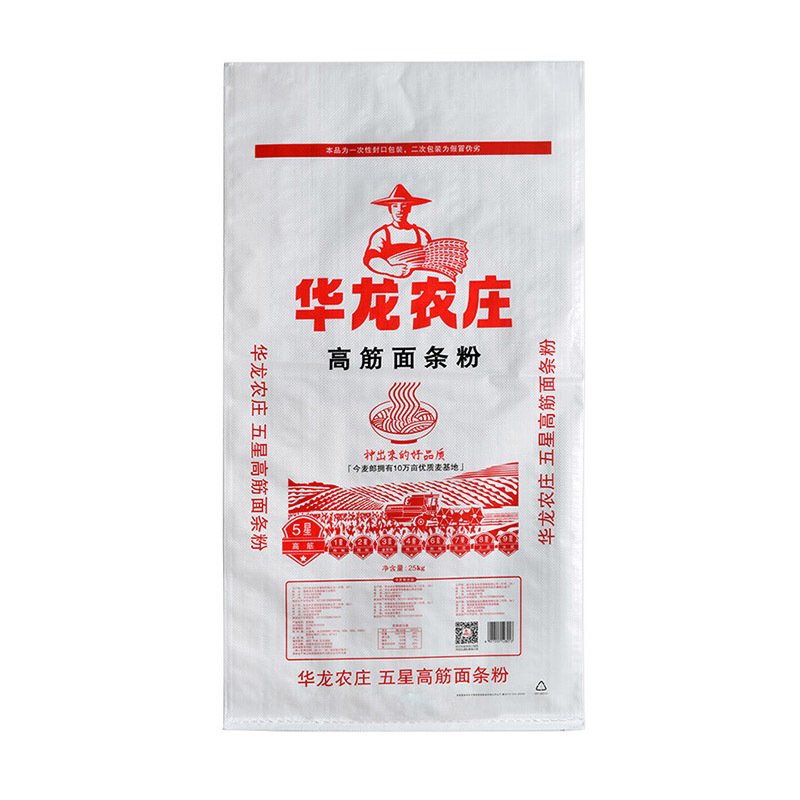
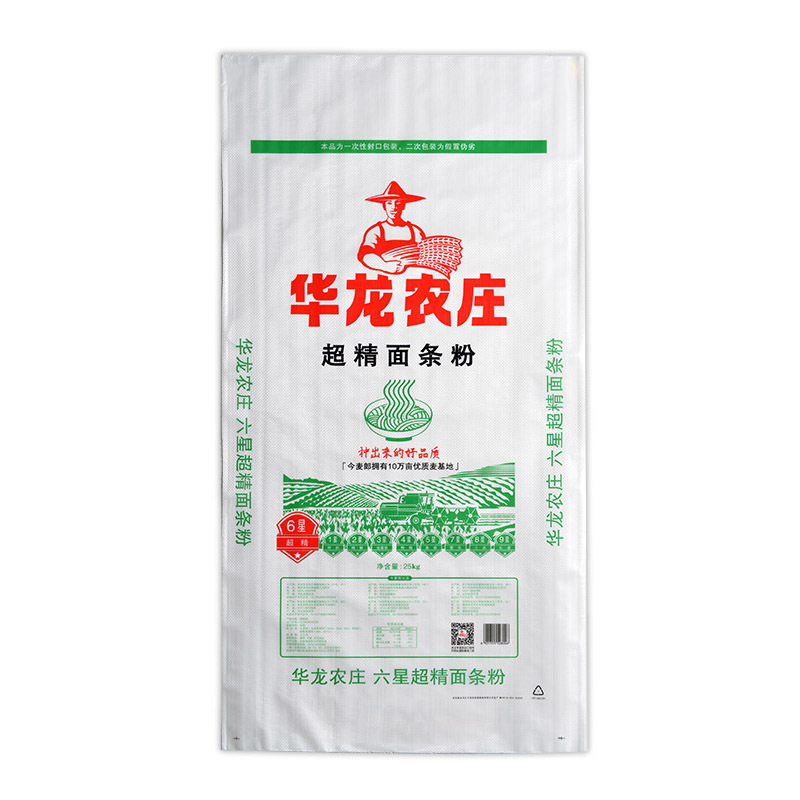
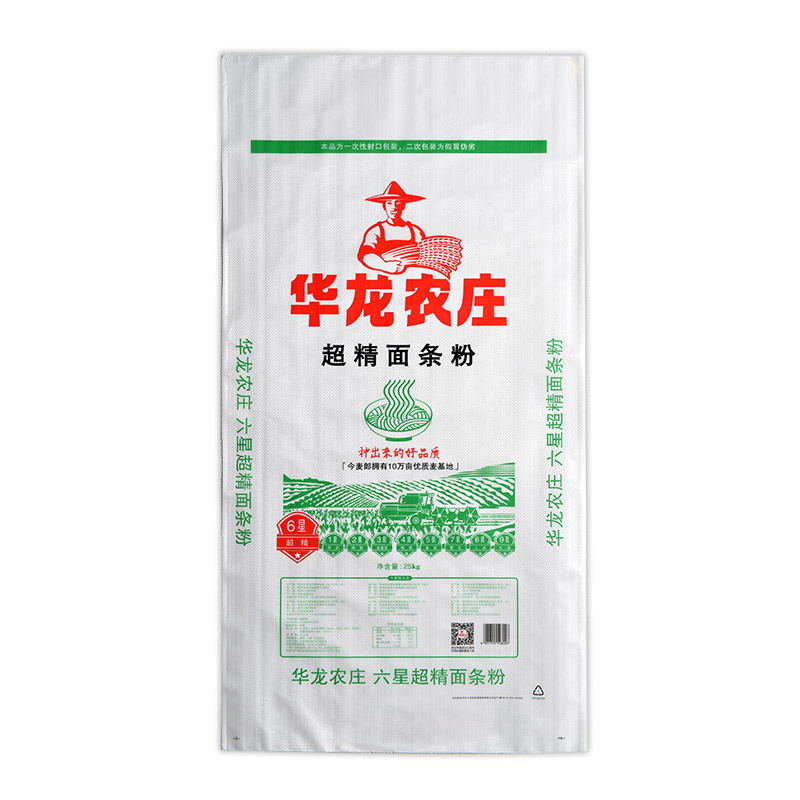
Flour packaging bags play a crucial role in the food industry, particularly in the storage and transportation of flour products. Proper packaging not only preserves the quality of flour but also ensures that it reaches consumers in optimal condition. Here are some key considerations when selecting and utilizing flour packaging bags. Material Selection
Flour packaging bags play a crucial role in the food industry, particularly in the storage and transportation of flour products. Proper packaging not only preserves the quality of flour but also ensures that it reaches consumers in optimal condition. Here are some key considerations when selecting and utilizing flour packaging bags.
Material Selection
When it comes to flour packaging bags, the choice of materials is paramount. Commonly used materials include polypropylene (PP) and polyethylene (PE), which are both durable and moisture-resistant. PP bags are often favored for their strength and ability to withstand rough handling during transportation. Furthermore, these materials can be manufactured with barrier properties to protect against moisture and oxygen, which are critical for maintaining the freshness of flour over extended periods.
Design Considerations
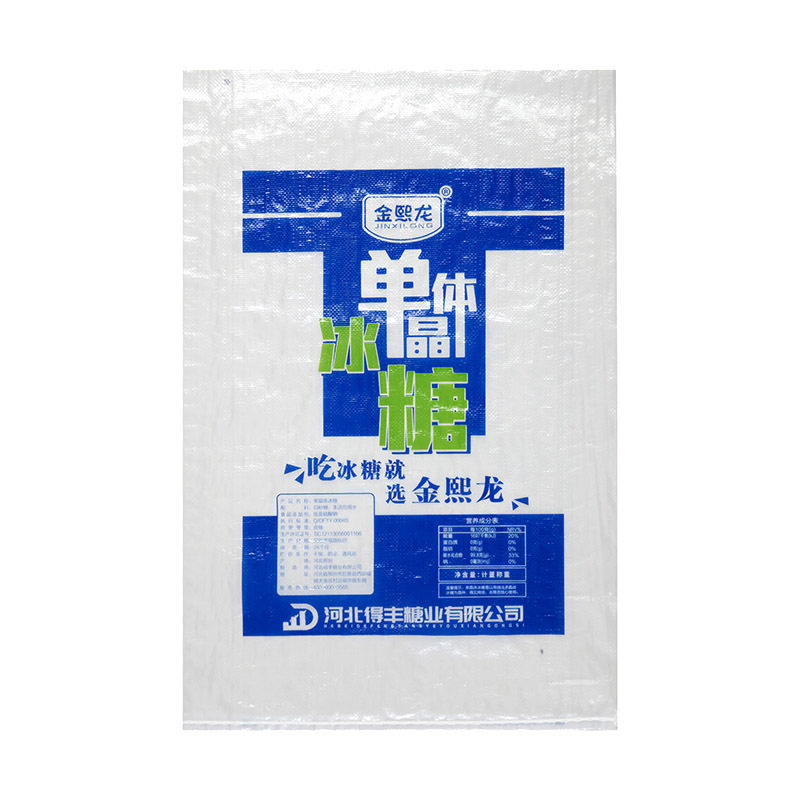
The design of flour packaging bags should not be overlooked. An effective design includes not only the physical attributes of the bag but also the graphical elements that communicate the brand and product information. Considerations should be made for the bag's size, shape, and closure type. A gusseted bag, for example, provides stability and allows for efficient stacking, while a resealable closure enhances convenience for consumers. Additionally, labeling should comply with regulatory requirements and convey essential information such as the ingredient list, nutritional facts, and storage instructions.
Sustainability Options
As environmental concerns continue to grow, the demand for eco-friendly packaging solutions is on the rise. Flour packaging bags can be produced using biodegradable materials or recycled plastics, which help reduce the carbon footprint of the packaging process. Companies can also explore options for minimalistic designs that utilize less material without compromising quality. By adopting sustainable practices, businesses can appeal to environmentally-conscious consumers and align with global sustainability goals.
Cost-Effectiveness
Efficiency in production and logistics is another critical aspect of flour packaging. Businesses must balance the cost of materials with the long-term benefits of quality packaging. Investing in high-quality flour packaging bags may lead to reduced spoilage rates and improved customer satisfaction, ultimately enhancing the bottom line. Collaborating with experienced suppliers can also yield valuable insights into optimizing packaging processes and reducing costs.
In conclusion, flour packaging bags are integral to the success of any business in the food industry. By focusing on material selection, design, sustainability, and cost-effectiveness, companies can develop superior packaging solutions that not only protect their products but also resonate with consumers. Implementing these best practices will help businesses stand out in a competitive market and ensure the lasting quality of their flour products.
Key words:
About Fuzeyuan
Fuzeyuan can customize all kinds of plastic bags according to customer needs
Contact Information
Address: Dongfang Food City, Longyao County, Xingtai City, Hebei Province
Telephone: 86 0319-6666358
Mobile: 86 13784903535
Mailbox: hebeifuzeyuan@163.com
Copyright© Hebei Fuzeyuan Packaging Products Co., Ltd.