

News Center
Focus on hot spots
Contact Information
Mailbox:hebeifuzeyuan@163.com
Telephone: 86 0319-6666358
Mobile: 86 13784903535
Address: Dongfang Food City, Longyao County, Xingtai City, Hebei Province
Essential Insights into Flour Packaging Bags for the Packaging Industry
Release time:
2024-10-06
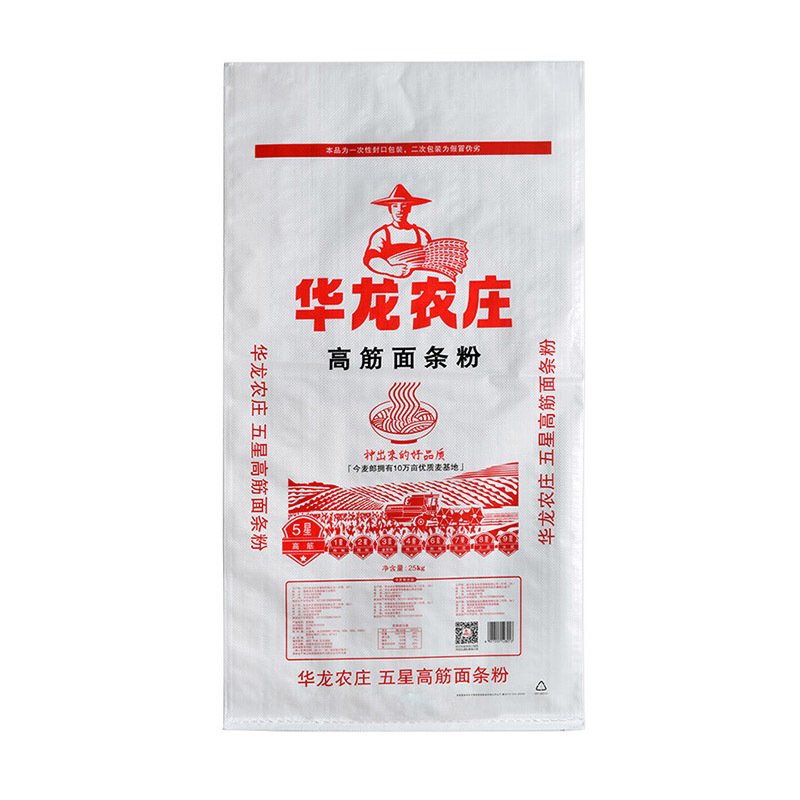
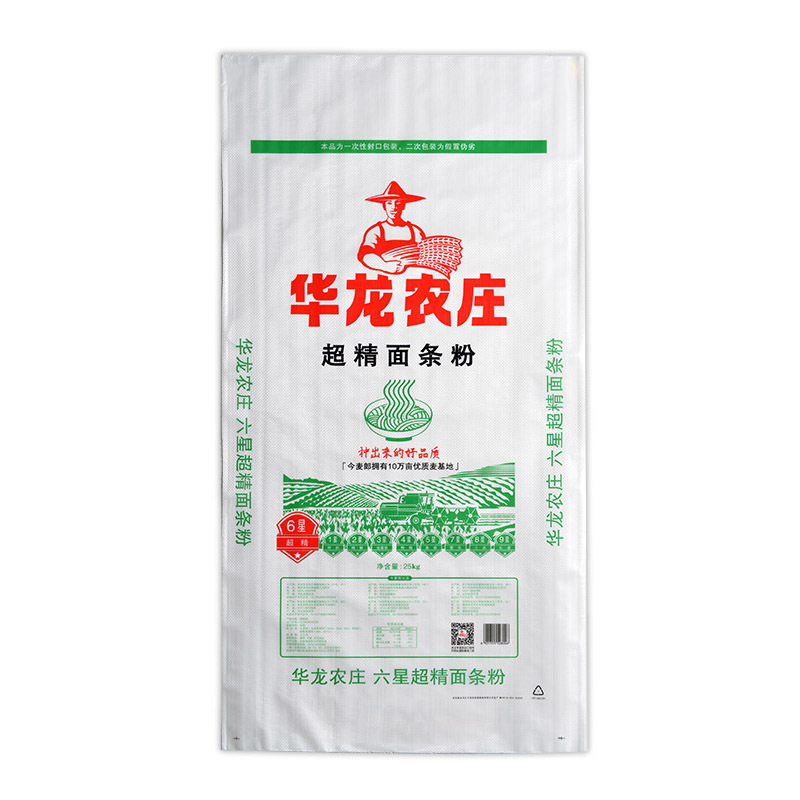
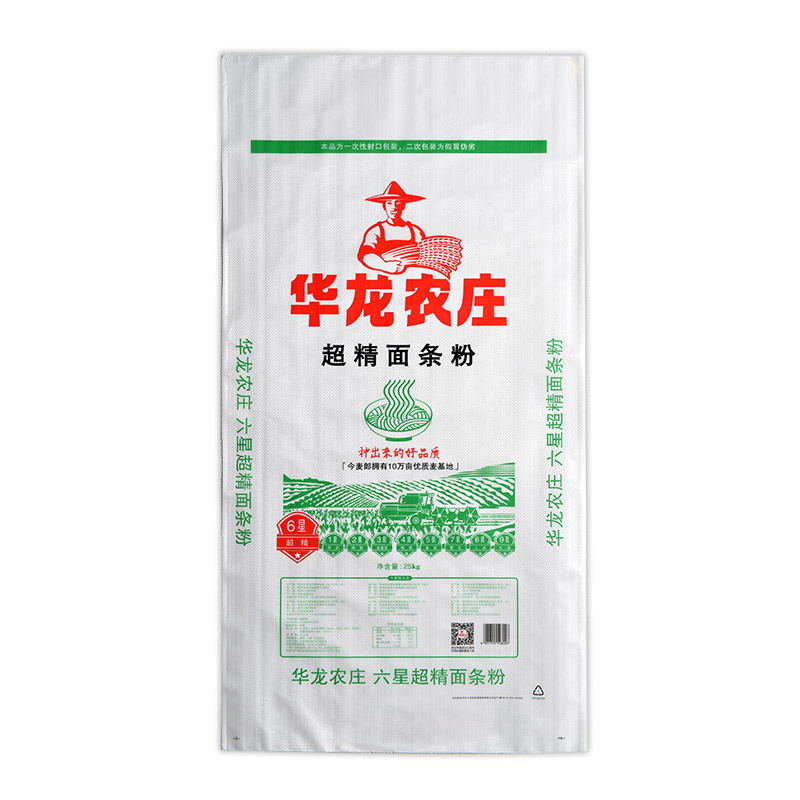
Flour packaging bags are designed specifically to meet the unique requirements of storing and transporting flour. These bags play a vital role in maintaining the quality, freshness, and safety of flour during its journey from producer to consumer. Considering the significant demand for flour in both domestic and commercial markets, understanding the technical aspects of flour packaging bags is ess
Flour packaging bags are designed specifically to meet the unique requirements of storing and transporting flour. These bags play a vital role in maintaining the quality, freshness, and safety of flour during its journey from producer to consumer. Considering the significant demand for flour in both domestic and commercial markets, understanding the technical aspects of flour packaging bags is essential for professionals in the packaging industry.
Material Selection
When choosing materials for flour packaging bags, it is essential to prioritize durability and moisture resistance. Polypropylene (PP) and polyethylene (PE) are two commonly used materials due to their strength and ability to form a barrier against moisture and contaminants. Additionally, multi-wall paper bags are often favored for their breathability and eco-friendliness, making them a popular choice for organic flour brands. The choice of material not only impacts the shelf life of the product but also influences consumer perception and sustainability efforts.
Design Considerations
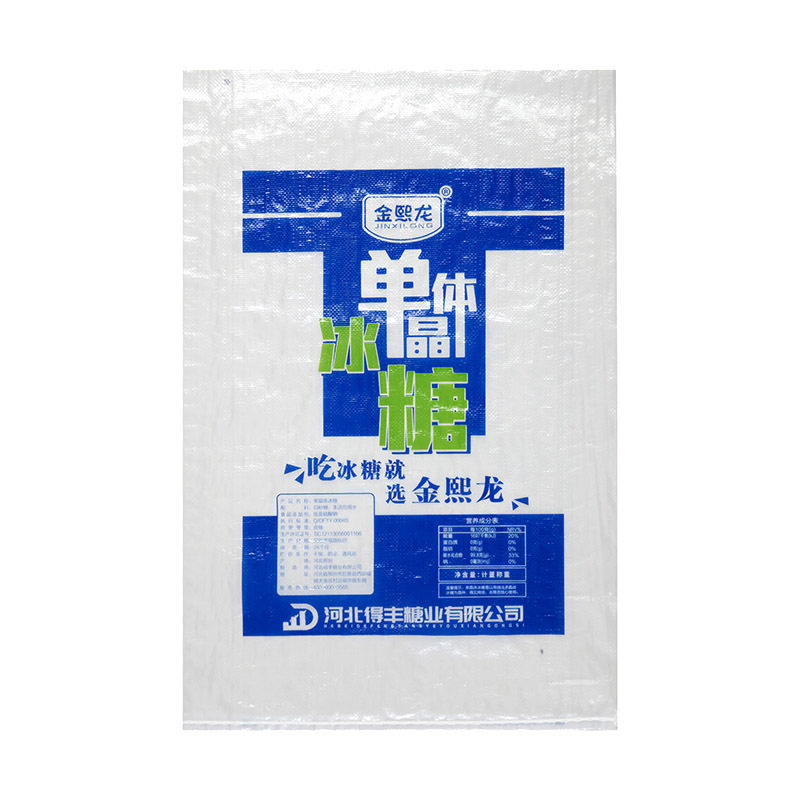
The design of flour packaging bags should reflect both functionality and branding. It is important to consider aspects such as bag size, closure type, and labeling. A well-designed bag should facilitate easy filling and sealing while ensuring that the flour remains protected. Closure options like heat-sealed tops or zip locks can enhance user convenience and product integrity. Moreover, incorporating eye-catching graphics and informative labels can significantly enhance market appeal and communicate essential product information, such as nutritional value and usage instructions.
Regulatory Compliance
Professionals should also stay informed about the regulatory standards relevant to food packaging. Ensuring that flour packaging bags comply with safety and hygiene regulations is critical in preventing contamination and maintaining consumer confidence. This includes adhering to guidelines set by local and international food safety authorities, which often dictate materials and practices used in food-grade packaging.
Sustainability Trends
As sustainability becomes increasingly important in the packaging industry, exploring innovative, eco-friendly alternatives for flour packaging bags is essential. Options such as biodegradable or recyclable materials are gaining traction among environmentally conscious consumers. By adopting sustainable practices, companies can not only reduce their environmental footprint but also resonate with a growing demographic that values ecological responsibility.
In conclusion, flour packaging bags are a vital component of the logistics packaging landscape. Understanding the intricacies of material selection, design considerations, regulatory compliance, and sustainability trends can empower professionals in the packaging and printing sector to make informed decisions that enhance product quality and consumer satisfaction. By prioritizing these aspects, businesses can position themselves effectively in a competitive market and meet the evolving demands of consumers.
Key words:
About Fuzeyuan
Fuzeyuan can customize all kinds of plastic bags according to customer needs
Contact Information
Address: Dongfang Food City, Longyao County, Xingtai City, Hebei Province
Telephone: 86 0319-6666358
Mobile: 86 13784903535
Mailbox: hebeifuzeyuan@163.com
Copyright© Hebei Fuzeyuan Packaging Products Co., Ltd.