

News Center
Focus on hot spots
Contact Information
Mailbox:hebeifuzeyuan@163.com
Telephone: 86 0319-6666358
Mobile: 86 13784903535
Address: Dongfang Food City, Longyao County, Xingtai City, Hebei Province
Choosing the Perfect Wheat Packaging Bag: A Comprehensive Guide for Your Product Needs
Release time:
2025-03-12
Choosing the Perfect Wheat Packaging Bag: A Comprehensive Guide for Your Product Needs When it comes to packaging wheat, the choice of bag significantly affects not only the product's appeal but also its preservation and transportation. Selecting the right wheat packaging bag is crucial for maintaining quality and ensuring that your product meets market demands. This article will delve into the va
Choosing the Perfect Wheat Packaging Bag: A Comprehensive Guide for Your Product Needs
When it comes to packaging wheat, the choice of bag significantly affects not only the product's appeal but also its preservation and transportation. Selecting the right wheat packaging bag is crucial for maintaining quality and ensuring that your product meets market demands. This article will delve into the various aspects of wheat packaging bags so that you can make an informed decision.
Table of Contents
- Understanding Wheat Packaging Bags
- Types of Wheat Packaging Bags
- Material Considerations for Wheat Packaging
- Size and Capacity of Wheat Packaging Bags
- Printing and Design Options for Packaging Bags
- Sustainability in Wheat Packaging
- Common Problems in Wheat Packaging
- Frequently Asked Questions
- Conclusion
Understanding Wheat Packaging Bags
Wheat packaging bags serve a vital role in the agricultural supply chain. These bags not only protect wheat from environmental factors but also facilitate easy handling, storage, and transportation. Choosing the right packaging ensures that the wheat remains fresh and uncontaminated, preserving its quality and nutritional value.
Types of Wheat Packaging Bags
The market offers a variety of wheat packaging bags, each catering to different needs. The most common types include:
1. Polypropylene Bags
Polypropylene bags are widely used due to their durability and resistance to moisture. They are lightweight yet strong, making them an excellent choice for bulk wheat storage.
2. Woven Sacks
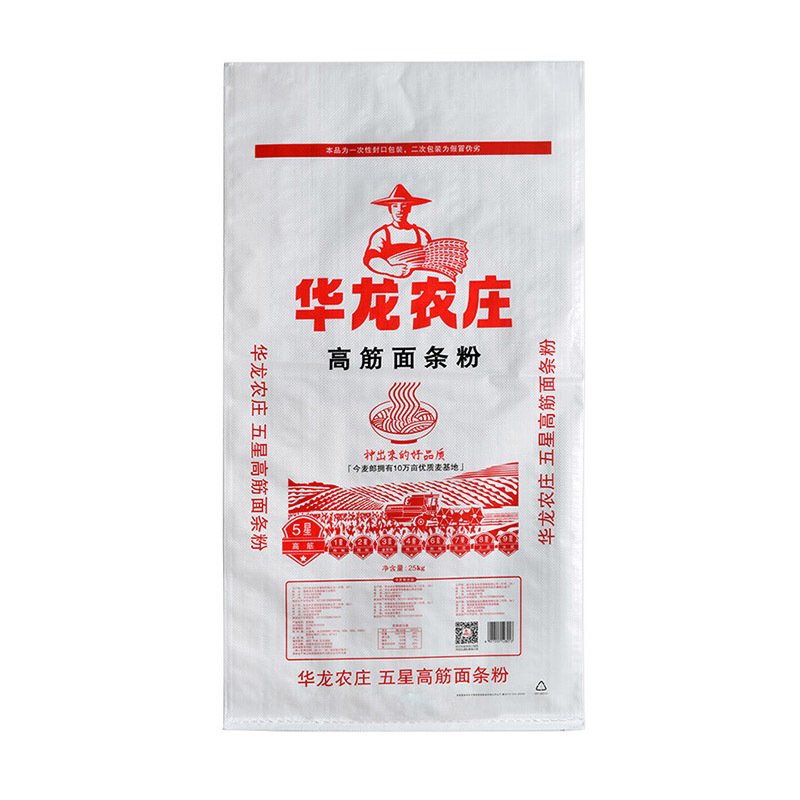
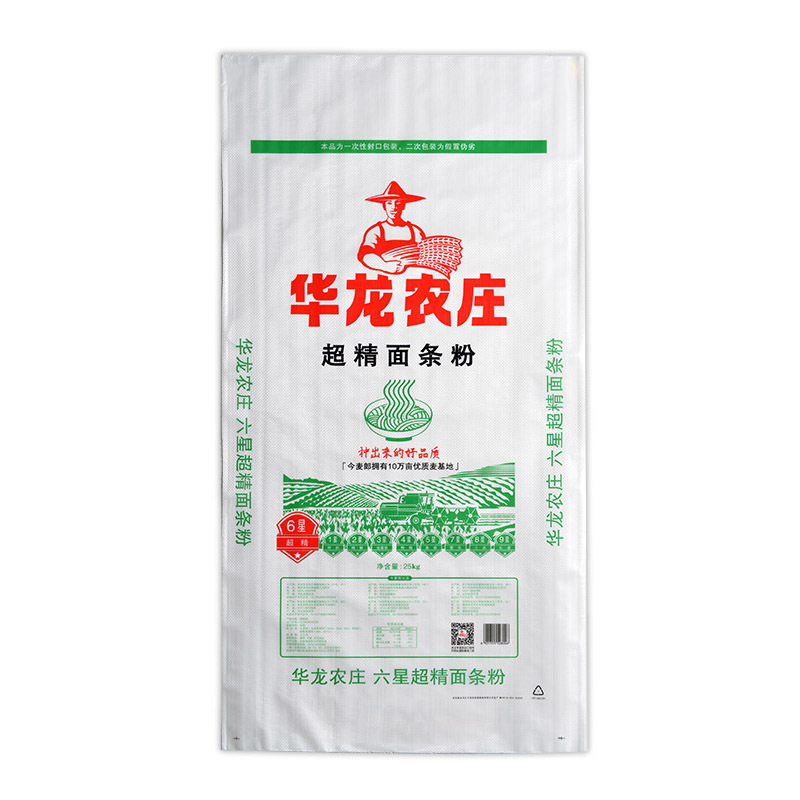
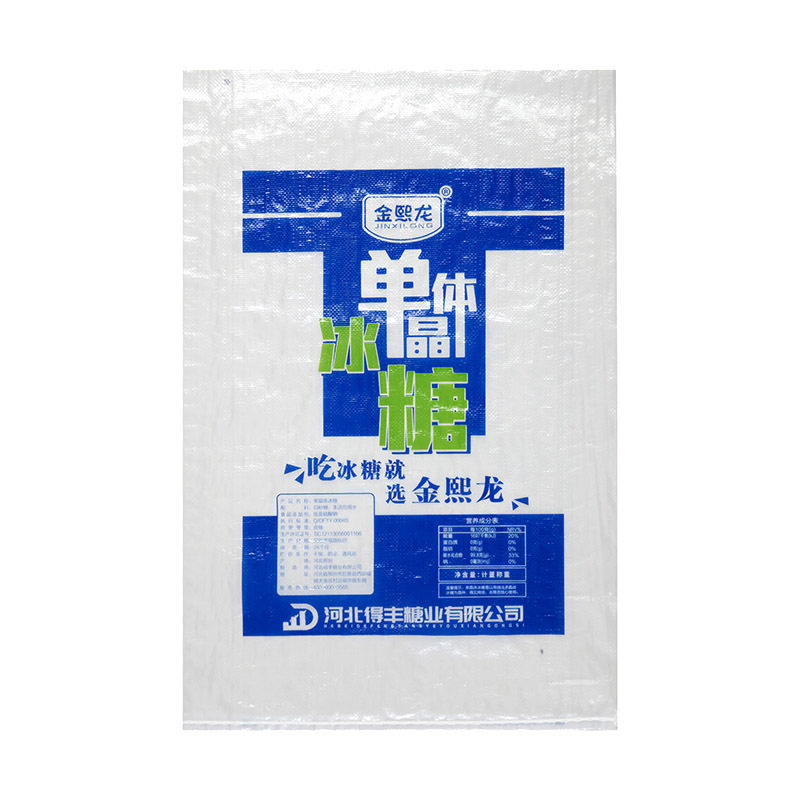
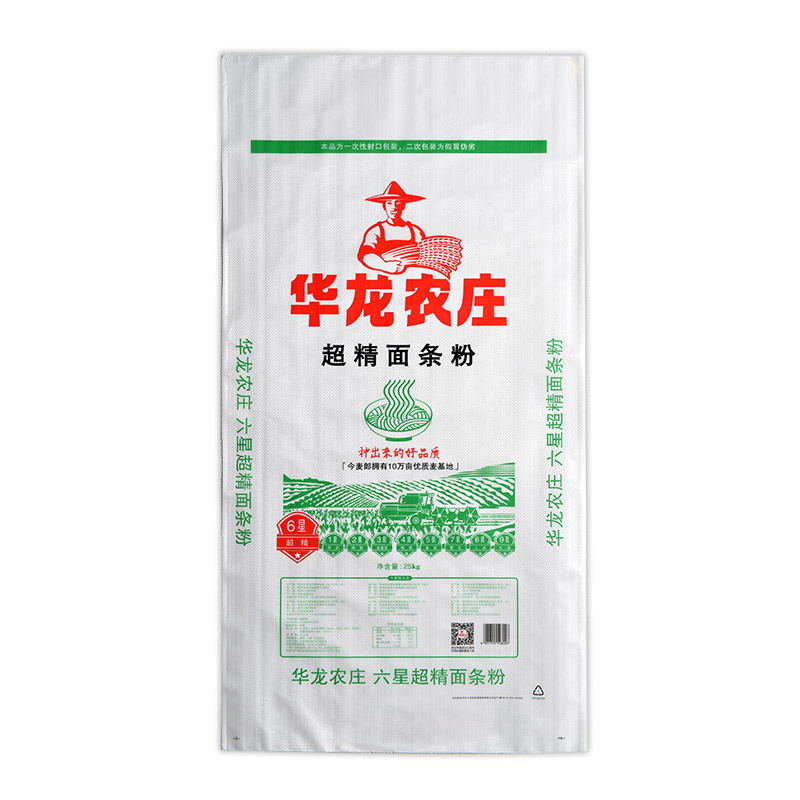
Woven sacks are constructed from interlaced polypropylene threads, providing excellent strength and breathability. They are ideal for transporting harvested wheat, allowing air circulation.
3. Paper Bags
For those seeking an eco-friendly option, paper bags are an excellent choice. They are biodegradable and can be printed with your brand's design, enhancing product appeal. However, they may not be as moisture-resistant as other options.
4. Vacuum-Sealed Bags
Vacuum-sealed bags are perfect for long-term storage. By removing air, they prevent spoilage and preserve the freshness of the wheat.
Material Considerations for Wheat Packaging
When selecting a wheat packaging bag, the material's properties significantly influence the bag's performance. Here are critical factors to consider:
1. Moisture Resistance
Wheat is sensitive to moisture, which can lead to mold growth and spoilage. Opt for materials that offer high moisture resistance, such as laminated polypropylene or vacuum-sealed options.
2. Strength and Durability
The bag must withstand the rigors of transportation and storage. Assess the tensile strength and puncture resistance of the material to ensure it can handle your wheat's weight.
3. Breathability
Especially for woven sacks, breathability is essential to prevent condensation build-up. This feature allows for air circulation, reducing the risk of spoilage.
4. Cost-Effectiveness
Evaluate the cost of materials without compromising quality. Consider bulk purchasing options to reduce overall expenses.
Size and Capacity of Wheat Packaging Bags
Choosing the right size and capacity for your wheat packaging bags is crucial for efficient storage and transportation. Here are some essential considerations:
1. Standard Sizes
Wheat bags typically come in standard sizes ranging from 5 kg to 50 kg. Identify the amount of wheat you intend to package and select a bag size accordingly.
2. Custom Sizes
If your product requires specific dimensions, many manufacturers offer customization options. Custom sizes ensure that the bags fit your storage and transportation needs precisely.
3. Stackability
Consider the bag's design for stackability. Well-structured bags can maximize storage space and simplify transportation logistics.
Printing and Design Options for Packaging Bags
The visual appeal of your wheat packaging can significantly impact consumer perception. Here are some options to enhance your bag's design:
1. Branding and Logos
Incorporating your brand logo on the packaging reinforces brand identity. Use high-quality printing techniques to ensure longevity.
2. Informational Graphics
Including nutritional information, usage instructions, and quality certifications can enhance consumer trust and knowledge.
3. Color Schemes
Choose colors that resonate with your brand and target audience. Bright colors can attract attention, while earthy tones may appeal to organic consumers.
Sustainability in Wheat Packaging
With growing awareness of environmental issues, sustainability has become a priority in packaging. Here’s how to ensure your wheat packaging is eco-friendly:
1. Biodegradable Materials
Opt for bags made from biodegradable materials, which reduce environmental impact. Paper bags or compostable plastics are great choices.
2. Recyclability
Encourage consumers to recycle packaging by using recyclable materials. Clearly label the bags with recycling symbols to promote responsible disposal.
3. Reducing Plastic Use
Minimize plastic use by exploring alternative materials or designing reusable bags. This approach not only benefits the environment but can also enhance your brand image.
Common Problems in Wheat Packaging
Even with the best practices, issues may arise during packaging and storage. Address these common problems:
1. Spoilage and Mold Growth
Inadequate moisture control can lead to spoilage. Ensure that the chosen material has sufficient moisture resistance and that the storage area is dry.
2. Pests and Contamination
Pests can infiltrate poorly sealed packaging, compromising the integrity of the wheat. Select bags with secure closures and inspect regularly for damage.
3. Damage During Transportation
Improper handling during transportation can lead to punctures and tears. Use durable packaging that can withstand rough handling, and train staff on proper handling techniques.
Frequently Asked Questions
1. What is the best material for wheat packaging bags?
Polypropylene bags and woven sacks are highly recommended for their durability and moisture resistance.
2. How can I ensure my wheat stays fresh during storage?
Choose moisture-resistant packaging and store the bags in a cool, dry place to maintain freshness.
3. Are paper bags suitable for wheat packaging?
Yes, paper bags are eco-friendly but may not provide as much moisture resistance as plastic options. They are ideal for short-term storage.
4. Can I customize the size of my wheat packaging bags?
Many manufacturers offer custom sizes to meet specific requirements. Consult with your supplier for available options.
5. How do I promote sustainability in my packaging?
Use biodegradable materials, promote recycling, and consider reducing plastic consumption to enhance sustainability.
Conclusion
Selecting the right wheat packaging bag is an essential step in maintaining your product's quality and appeal. By considering materials, sizes, designs, and sustainability, you can enhance your wheat's marketability and protect its integrity. With the insights provided in this comprehensive guide, you are equipped to make informed decisions that cater to your product needs, ensuring successful storage and transport of wheat. Remember that investing time and resources into optimal packaging can yield significant returns in consumer satisfaction and brand loyalty.
Key words:
About Fuzeyuan
Fuzeyuan can customize all kinds of plastic bags according to customer needs
Contact Information
Address: Dongfang Food City, Longyao County, Xingtai City, Hebei Province
Telephone: 86 0319-6666358
Mobile: 86 13784903535
Mailbox: hebeifuzeyuan@163.com
Copyright© Hebei Fuzeyuan Packaging Products Co., Ltd.