

News Center
Focus on hot spots
Contact Information
Mailbox:hebeifuzeyuan@163.com
Telephone: 86 0319-6666358
Mobile: 86 13784903535
Address: Dongfang Food City, Longyao County, Xingtai City, Hebei Province
Essential Guide to Wheat Flour Packaging Bags: Enhancing Storage and Distribution
Release time:
2024-10-30
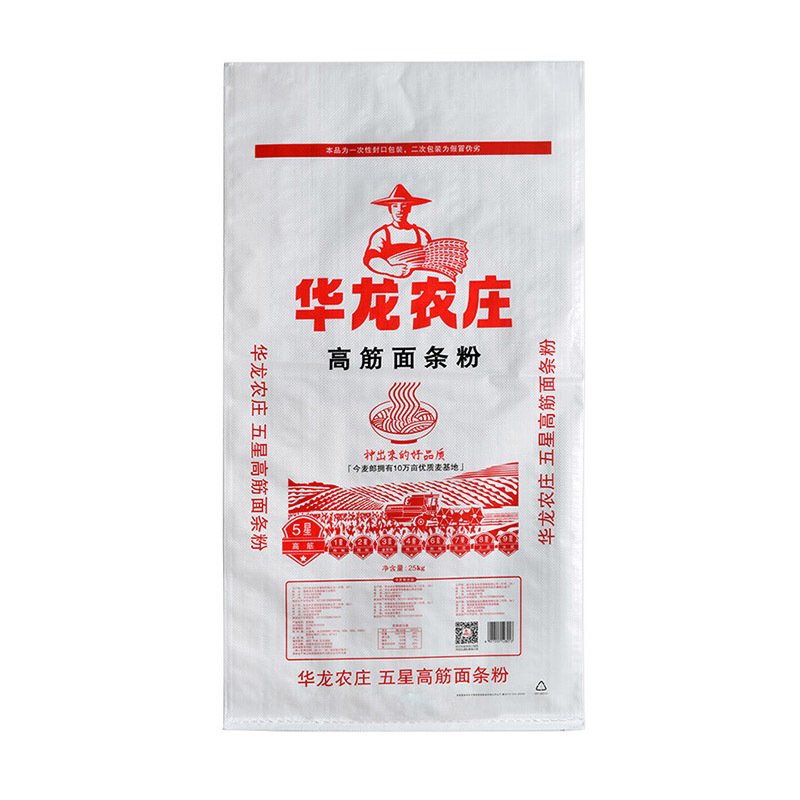
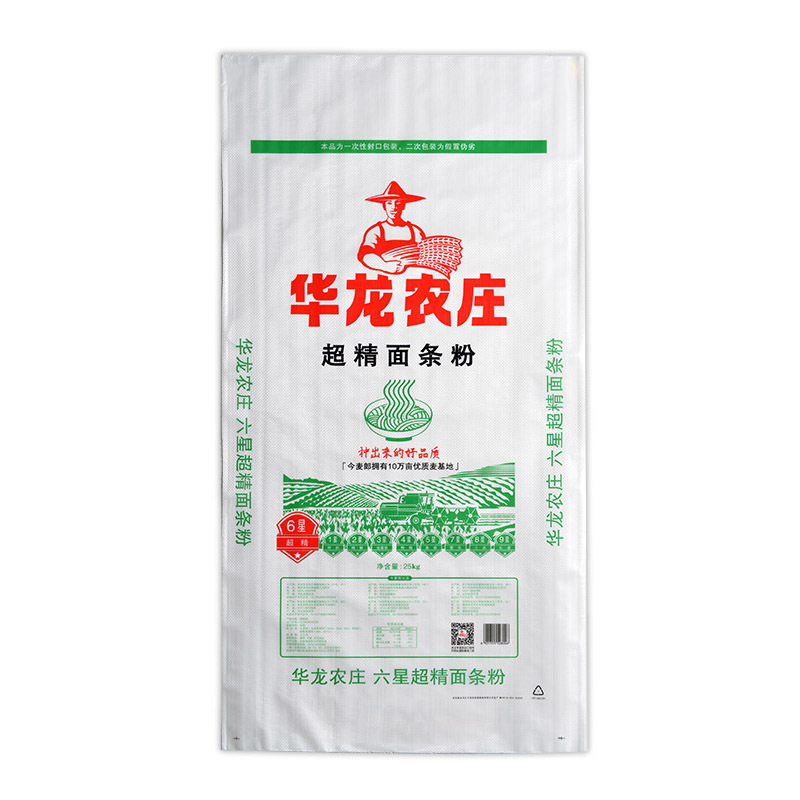
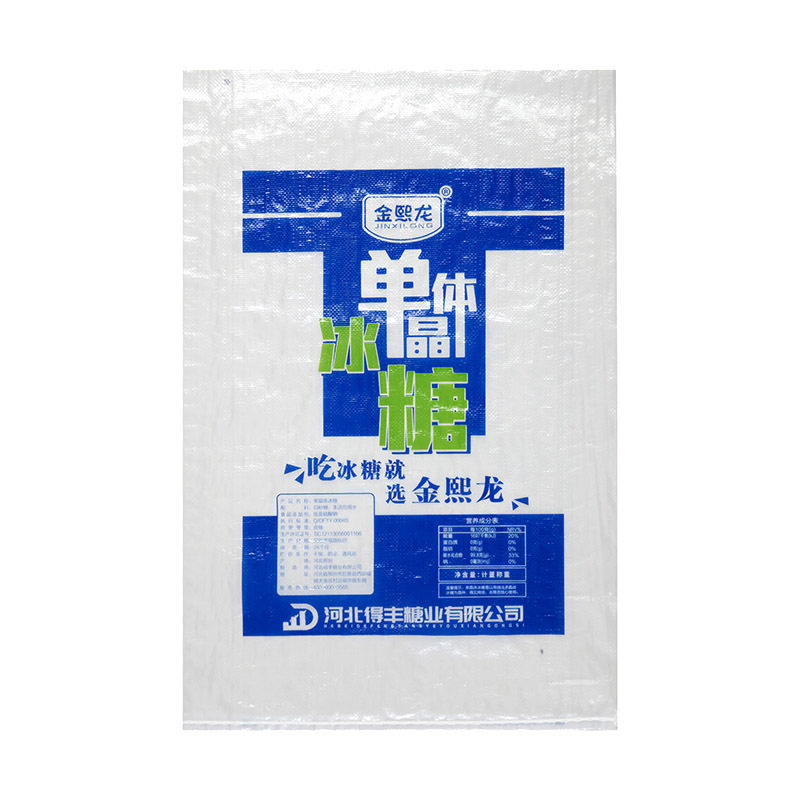
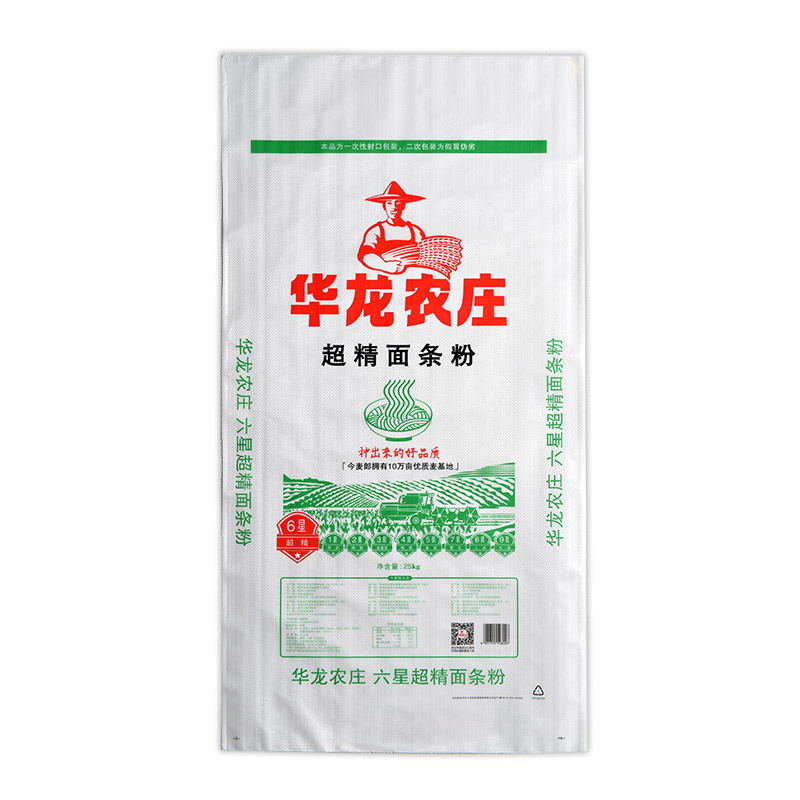
Wheat flour packaging bags play a vital role in the food industry, particularly in the storage and distribution of flour products. Packaging not only preserves the quality of the wheat flour but also provides essential information to consumers and ensures compliance with health and safety standards. In this article, we will discuss various aspects of wheat flour packaging bags, including materials
When selecting packaging bags for wheat flour, it is essential to consider the materials. Commonly used materials include plastic films, paper, and multi-layer composites. Plastic bags, particularly those made from polyethylene or polypropylene, offer excellent moisture resistance and durability, making them ideal for maintaining flour freshness over extended periods. Paper bags, on the other hand, provide good breathability but may not be as moisture-resistant. Multi-layer composites combine the benefits of both materials, providing enhanced protection against moisture and contaminants.
There are several types of packaging formats available for wheat flour. The most common formats include flat bags, gusseted bags, and stand-up pouches. Flat bags are suitable for smaller quantities and are often used for retail packaging. Gusseted bags, which have expandable sides, are ideal for bulk packaging, allowing for more efficient storage and transportation. Stand-up pouches offer a modern aesthetic and convenience, making them popular in retail settings due to their ability to stand on shelves without support.
Another crucial factor to consider is the sealing method used for wheat flour packaging bags. Heat sealing and adhesive sealing are the two primary methods. Heat sealing provides a secure and tamper-resistant closure, while adhesive sealing offers flexibility and ease of use. Choosing the right sealing method is essential for ensuring the integrity of the product during storage and transit.
To enhance the effectiveness of wheat flour packaging, it is advisable to incorporate labeling and branding elements. Clear labeling not only complies with regulatory requirements but also provides consumers with vital information regarding the product, including ingredients, nutritional facts, and expiration dates. Additionally, incorporating branding elements can help businesses differentiate their products in a crowded market.
Sustainability is an increasingly important consideration in the packaging industry. Businesses are encouraged to explore eco-friendly packaging options for wheat flour, such as biodegradable materials or recyclable options. This not only meets consumer demand for sustainable products but also contributes to a more environmentally responsible business model.
In conclusion, wheat flour packaging bags are a critical component of the storage and distribution process. By understanding the different types of packaging, materials, and best practices, businesses can ensure that their products remain fresh, safe, and appealing to consumers. Investing in quality packaging is essential for maintaining product integrity and enhancing brand reputation in the competitive food industry.
Key words:
About Fuzeyuan
Fuzeyuan can customize all kinds of plastic bags according to customer needs
Contact Information
Address: Dongfang Food City, Longyao County, Xingtai City, Hebei Province
Telephone: 86 0319-6666358
Mobile: 86 13784903535
Mailbox: hebeifuzeyuan@163.com
Copyright© Hebei Fuzeyuan Packaging Products Co., Ltd.