

News Center
Focus on hot spots
Contact Information
Mailbox:hebeifuzeyuan@163.com
Telephone: 86 0319-6666358
Mobile: 86 13784903535
Address: Dongfang Food City, Longyao County, Xingtai City, Hebei Province
Essential Insights into Flour Packaging Bags: A Comprehensive Guide
Release time:
2024-10-22
When it comes to packaging flour, the choice of bags plays a significant role in preserving the product's integrity and extending its shelf life. Flour is a perishable item that can be compromised by moisture, pests, and contamination. Therefore, understanding the various types of bags available for flour packaging is essential for professionals in the packaging and logistics sector. One of the mo
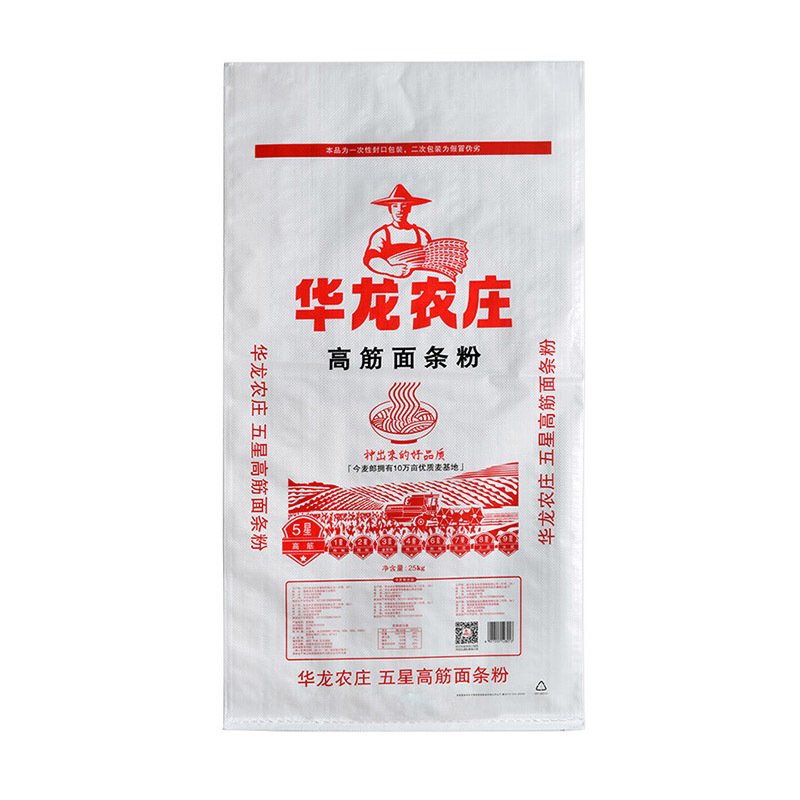
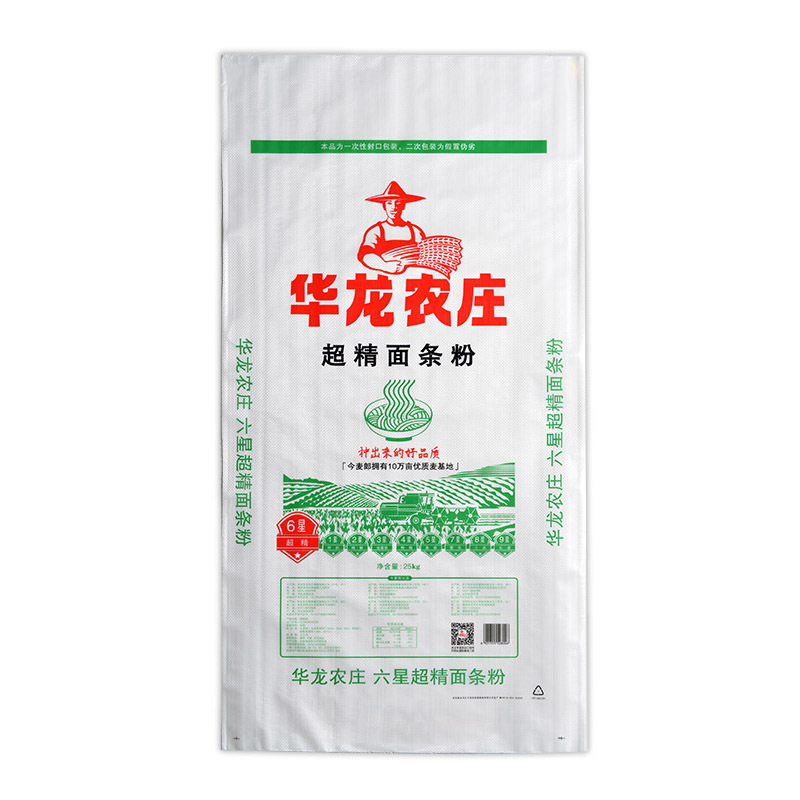
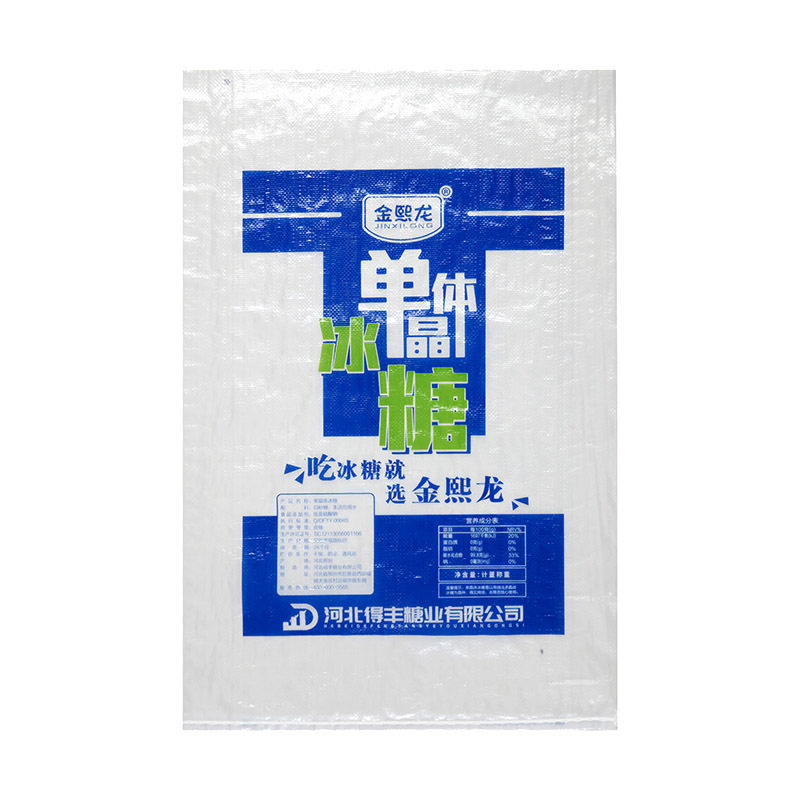
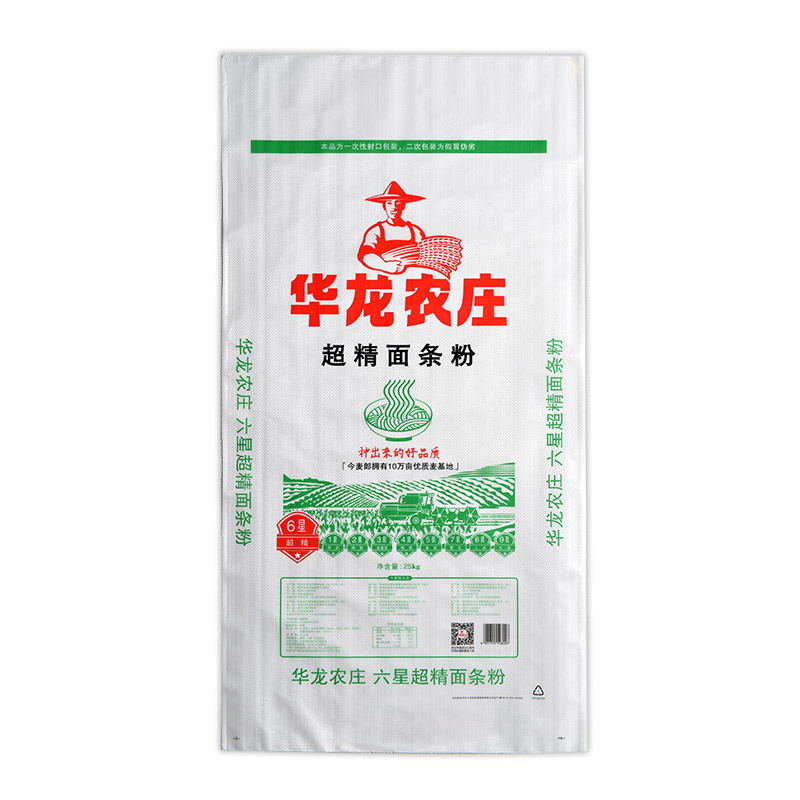
One of the most common options for flour packaging is the plastic woven bag. These bags are constructed from high-density polyethylene (HDPE) or polypropylene (PP), offering exceptional strength and durability. Their woven structure provides a degree of breathability, which can help mitigate moisture retention, although it’s important to note that additional protective measures might be necessary in high-humidity environments.
Another viable option is the laminated or coated paper bag. These bags not only provide a barrier against moisture but also allow for excellent print quality, making them ideal for branding and consumer appeal. Paper bags are often chosen for their eco-friendliness and compostability, which can be a significant selling point in today’s environmentally-conscious market.
For bulk flour packaging, options like flexible bulk containers or FIBCs (Flexible Intermediate Bulk Containers) are popular. These bags can hold large quantities of flour, minimizing the need for multiple smaller bags and streamlining the logistics process. They are typically made from woven polypropylene, offering durability and resistance to punctures and tears.
When selecting bags for flour packaging, it is essential to consider several factors. Firstly, the type of flour being packaged can influence the choice of packaging material. For example, whole grain flours typically have a higher oil content, which may require bags with better barrier properties to prevent rancidity. Additionally, the intended storage conditions, such as temperature and humidity, should also dictate the choice of packaging.
Another consideration is compliance with food safety standards. Ensure that the materials used in the bags are safe for food contact and comply with relevant regulations. This is crucial not only for consumer safety but also for maintaining your business's reputation.
In conclusion, selecting the right bags for flour packaging involves a careful evaluation of product requirements, storage conditions, and regulatory compliance. By understanding the various bag options available, professionals in the packaging industry can make informed decisions that enhance product safety and improve overall supply chain efficiency. Whether choosing woven polypropylene bags or paper alternatives, the right choice can lead to significant benefits in the long run.
Key words:
About Fuzeyuan
Fuzeyuan can customize all kinds of plastic bags according to customer needs
Contact Information
Address: Dongfang Food City, Longyao County, Xingtai City, Hebei Province
Telephone: 86 0319-6666358
Mobile: 86 13784903535
Mailbox: hebeifuzeyuan@163.com
Copyright© Hebei Fuzeyuan Packaging Products Co., Ltd.