

News Center
Focus on hot spots
Contact Information
Mailbox:hebeifuzeyuan@163.com
Telephone: 86 0319-6666358
Mobile: 86 13784903535
Address: Dongfang Food City, Longyao County, Xingtai City, Hebei Province
Discover the Best Bags for Flour Packaging: A Comprehensive Guide
Release time:
2024-10-16
Discover the Best Bags for Flour Packaging: A Comprehensive Guide Table of Contents 1. Introduction to Flour Packaging 2. Importance of Choosing the Right Packaging 3. Types of Bags for Flour Packaging 3.1 Polypropylene Bags 3.2 Kraft Paper Bags 3.3 Vacuum-Sealed Bags 3.4 Reusable Flour Bags 4. Key Features to
Discover the Best Bags for Flour Packaging: A Comprehensive Guide
Table of Contents
- 1. Introduction to Flour Packaging
- 2. Importance of Choosing the Right Packaging
- 3. Types of Bags for Flour Packaging
- 4. Key Features to Look for in Flour Packaging Bags
- 5. Compliance and Regulations in Flour Packaging
- 6. Sustainable Packaging Solutions
- 7. Cost Considerations for Flour Packaging
- 8. Best Practices for Flour Packaging
- 9. FAQs
- 10. Conclusion
1. Introduction to Flour Packaging
Flour is a staple ingredient in countless kitchens and bakeries around the world. With its wide usage, packaging becomes critical not only for the product's safety but also for its marketability. In this guide, we will explore various aspects of flour packaging, focusing specifically on the types of bags available, their benefits, and how to select the best option for your operation.
2. Importance of Choosing the Right Packaging
The choice of packaging for flour is crucial for several reasons. Firstly, the proper packaging helps in preserving the freshness and quality of flour, preventing spoilage from moisture and pests. Secondly, effective packaging can enhance brand visibility and consumer appeal on store shelves. Lastly, the right type of bag can also streamline logistics and storage, making it essential for both manufacturers and retailers.
3. Types of Bags for Flour Packaging
When it comes to flour packaging, various options are available, each serving unique needs and purposes. Below are the most common types:
3.1 Polypropylene Bags
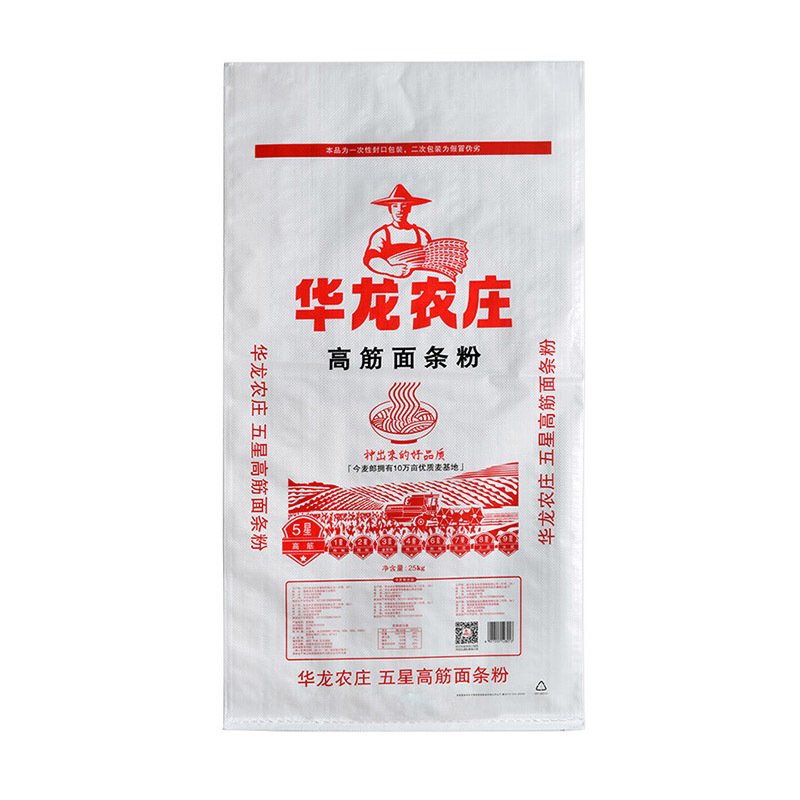
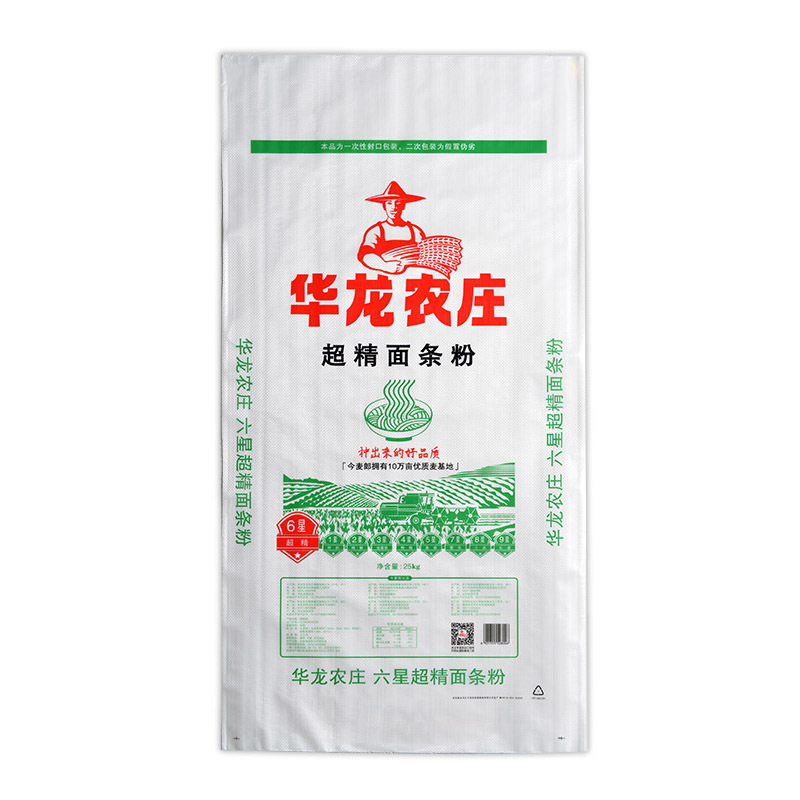
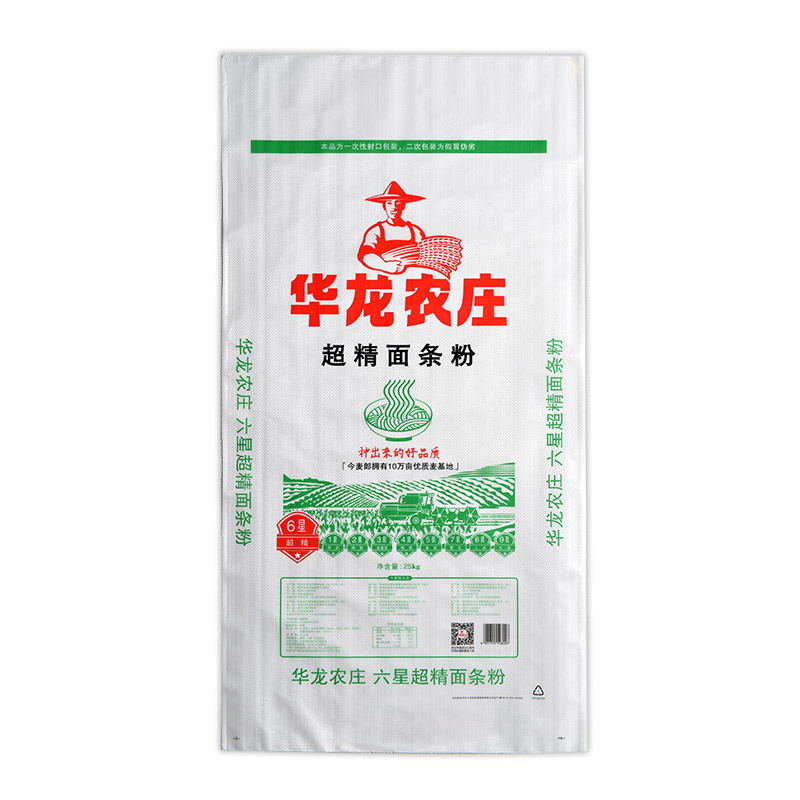
Polypropylene bags are a popular choice for flour packaging due to their durability and resistance to moisture. These bags can be produced in various sizes and are often transparent, allowing customers to see the product inside. They provide excellent barrier properties, protecting flour from external contaminants.
3.2 Kraft Paper Bags
Kraft paper bags are an eco-friendly option that exudes a rustic charm. They are biodegradable and recyclable, making them a sustainable choice for environmentally-conscious brands. These bags, especially when lined with plastic, offer good moisture protection while still being cost-effective.
3.3 Vacuum-Sealed Bags
Vacuum-sealed bags are designed to keep flour fresh for extended periods. By removing air from the packaging, these bags prevent oxidation and moisture absorption, which is vital for maintaining flour quality. They are especially beneficial for long-term storage and bulk distribution.
3.4 Reusable Flour Bags
Reusable flour bags are gaining popularity due to their sustainability. Made from durable materials, these bags can be used multiple times, significantly reducing waste. They can be particularly appealing to eco-conscious consumers and businesses seeking to minimize their environmental footprint.
4. Key Features to Look for in Flour Packaging Bags
When selecting bags for flour packaging, several features should be considered to ensure optimal performance:
Durability
The bags should be strong enough to withstand handling and transport. A durable bag reduces the risk of tears or ruptures.
Moisture Resistance
Choosing bags with moisture-resistant properties is essential to prevent spoilage and maintain flour quality.
Ease of Sealing and Opening
Bags that are easy to seal and open can improve user experience, whether in a commercial or home setting.
Printability
Consider choosing bags that allow for high-quality printing. This enables brands to showcase their logos, ingredients, and other important information effectively.
Size and Capacity
Select bags that suit your specific needs—whether you need small retail sizes or larger bulk packaging.
5. Compliance and Regulations in Flour Packaging
Flour packaging must adhere to various regulatory standards depending on the region and market. Compliance ensures that the packaging is safe for consumers and meets labeling requirements. It's essential to familiarize yourself with local regulations regarding food packaging materials, including any specific barriers to moisture and contamination.
6. Sustainable Packaging Solutions
As global awareness of environmental issues grows, sustainable packaging solutions are increasingly relevant. Manufacturers are exploring biodegradable materials and processes that minimize carbon footprints. Switching to sustainable flour packaging not only meets consumer demand but also reflects a brand's commitment to environmental responsibility.
7. Cost Considerations for Flour Packaging
While it is important to select high-quality packaging, cost is a significant factor for businesses. Evaluate the total cost of ownership, which includes initial purchasing costs, transportation, and potential waste due to breakage or spoilage. Balancing quality with cost-effectiveness ensures that the packaging fits within budget constraints while still meeting performance requirements.
8. Best Practices for Flour Packaging
To maximize the effectiveness of flour packaging, consider implementing these best practices:
Proper Storage
Ensure that flour is stored in a cool, dry place to maintain its quality. The right packaging will facilitate this.
Regular Quality Checks
Conduct regular checks on packaged flour to monitor any signs of spoilage or damage to the packaging.
Consumer Education
Use your packaging as an opportunity to educate consumers about proper storage and handling of flour for optimal freshness.
9. FAQs
What type of bag is best for flour storage?
The best type of bag depends on your specific needs. Polypropylene and vacuum-sealed bags provide excellent moisture protection.
Are kraft paper bags suitable for flour?
Yes, kraft paper bags can be suitable for flour, especially when they are lined with a moisture barrier.
How can I increase the shelf life of packaged flour?
Opt for vacuum-sealed packaging and store the flour in a cool, dry place to extend its shelf life.
What are the environmental benefits of using reusable flour bags?
Reusable bags minimize waste and reduce the need for single-use packaging, making them an eco-friendly alternative.
Do packaging regulations vary by country?
Yes, packaging regulations can vary significantly by country, so it’s important to be familiar with local laws.
10. Conclusion
Selecting the right bags for flour packaging is a vital part of ensuring product quality, enhancing marketability, and meeting consumer expectations. By understanding the different types of bags available, considering key features, complying with regulations, and exploring sustainability options, businesses can make informed decisions that not only protect their products but also resonate with their target audience. As the demand for quality and eco-friendly solutions continues to grow, investing in the right flour packaging will ultimately lead to better business outcomes and customer satisfaction.
Key words:
About Fuzeyuan
Fuzeyuan can customize all kinds of plastic bags according to customer needs
Contact Information
Address: Dongfang Food City, Longyao County, Xingtai City, Hebei Province
Telephone: 86 0319-6666358
Mobile: 86 13784903535
Mailbox: hebeifuzeyuan@163.com
Copyright© Hebei Fuzeyuan Packaging Products Co., Ltd.