

News Center
Focus on hot spots
Contact Information
Mailbox:hebeifuzeyuan@163.com
Telephone: 86 0319-6666358
Mobile: 86 13784903535
Address: Dongfang Food City, Longyao County, Xingtai City, Hebei Province
Understanding Wheat Flour Packaging: Best Practices for Storage and Transportation
Release time:
2024-10-10
Wheat flour packaging is a critical aspect of the food supply chain, especially for manufacturers, distributors, and retailers. Effective packaging not only protects the flour from contamination and spoilage but also preserves its quality, extending shelf life and ensuring safety for consumers. In this article, we will delve into the key factors involved in wheat flour packaging, including types o
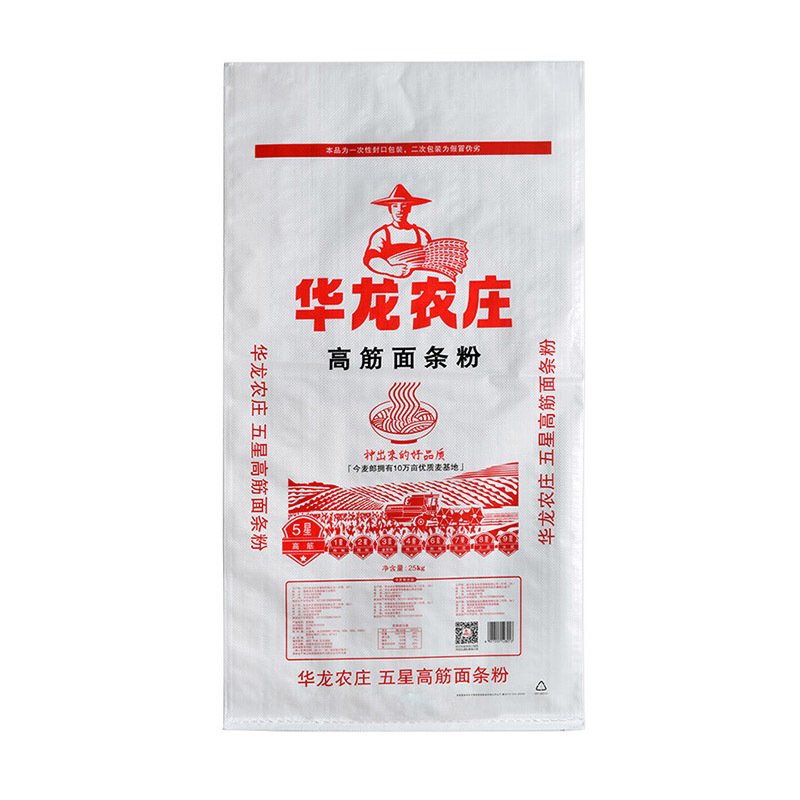
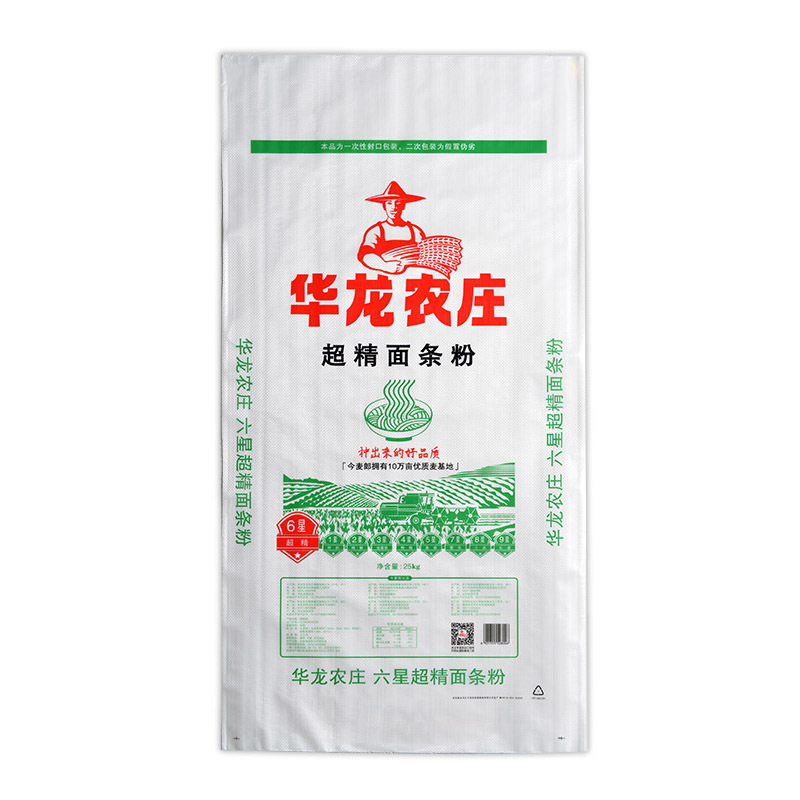
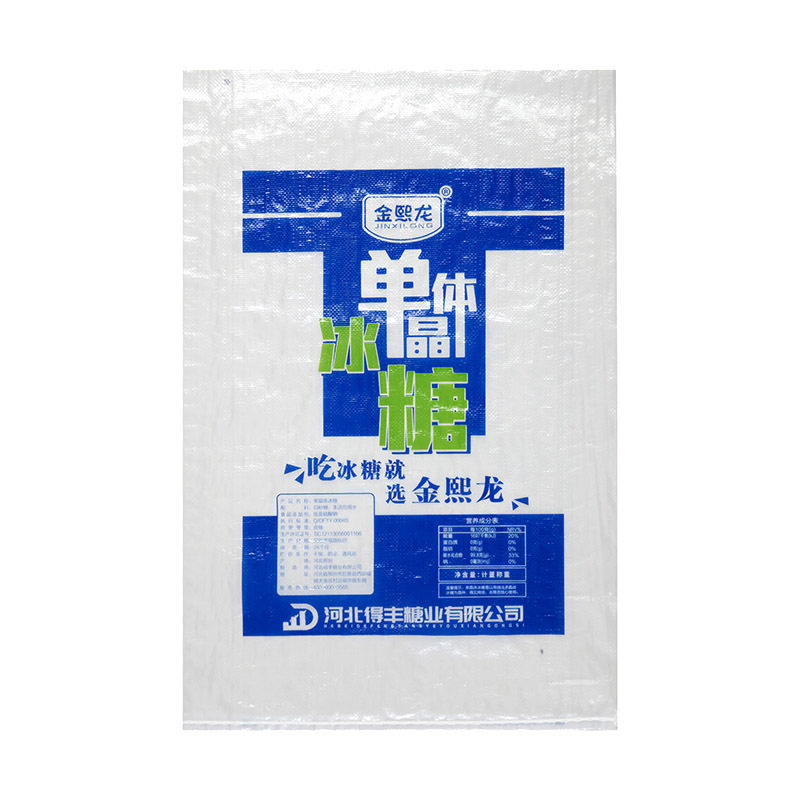
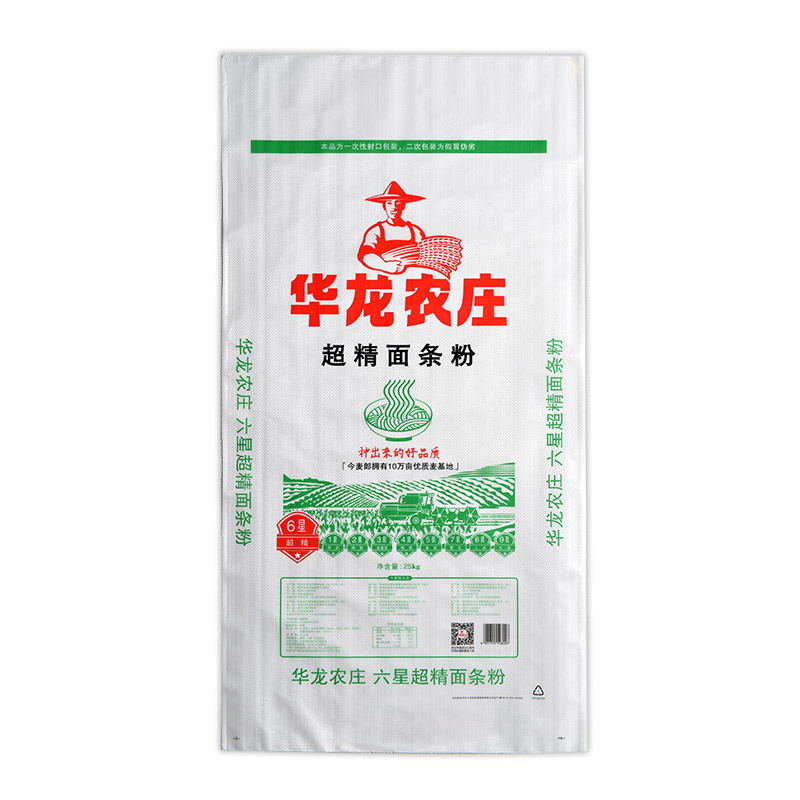
When it comes to the materials used for wheat flour packaging, several options are available. One of the most common choices is plastic woven bags, which are lightweight yet durable. These bags are particularly popular in the agricultural and food sectors due to their resistance to moisture, pests, and physical damage. Additionally, they can be manufactured in various sizes to cater to different needs, from small retail packages to bulk shipments.
Proper storage is paramount to maintaining the quality of wheat flour. Flour should be stored in a cool, dry place, away from direct sunlight and moisture. The packaging plays a vital role in this regard; vacuum-sealed or airtight packaging can significantly reduce the risk of spoilage by limiting exposure to air and moisture. Furthermore, labeling should be clear and informative, providing essential information such as the production date, expiration date, and storage instructions.
Transportation is another critical component of wheat flour packaging. Ensuring that flour reaches its destination in optimal condition requires careful consideration of shipping methods and packaging integrity. Using sturdy, high-quality packaging materials can prevent breakage and contamination during transit. Additionally, implementing proper handling procedures during loading and unloading can further safeguard the product.
Another vital aspect of wheat flour packaging is sustainability. With increasing consumer awareness about environmental issues, more companies are seeking eco-friendly packaging solutions. Biodegradable materials and recyclable options are becoming popular in the wheat flour packaging industry, helping to reduce the ecological footprint while meeting consumer expectations.
In summary, wheat flour packaging is a multifaceted process that involves careful selection of materials, adherence to storage and transportation best practices, and consideration of sustainability. By prioritizing these elements, manufacturers and retailers can ensure that their wheat flour products remain safe, high-quality, and appealing to consumers. The right packaging not only protects the product but also enhances brand reputation and customer satisfaction.
Key words:
About Fuzeyuan
Fuzeyuan can customize all kinds of plastic bags according to customer needs
Contact Information
Address: Dongfang Food City, Longyao County, Xingtai City, Hebei Province
Telephone: 86 0319-6666358
Mobile: 86 13784903535
Mailbox: hebeifuzeyuan@163.com
Copyright© Hebei Fuzeyuan Packaging Products Co., Ltd.