

News Center
Focus on hot spots
Contact Information
Mailbox:hebeifuzeyuan@163.com
Telephone: 86 0319-6666358
Mobile: 86 13784903535
Address: Dongfang Food City, Longyao County, Xingtai City, Hebei Province
Unlocking Freshness: The Importance of Wheat Flour Packaging
Release time:
2024-10-08
Unlocking Freshness: The Importance of Wheat Flour Packaging Table of Contents 1. Understanding Wheat Flour and Its Sensitivity to Environmental Factors 2. The Role of Packaging in Preserving Wheat Flour Freshness 3. Types of Wheat Flour Packaging Solutions 3.1. Plastic Packaging: Versatile and Cost-Effective 3.2. Paper Bags: Traditional Yet Effective 3.3. Vacuum-Sealed Packaging: Ultimate Freshne
Unlocking Freshness: The Importance of Wheat Flour Packaging
Table of Contents
1. Understanding Wheat Flour and Its Sensitivity to Environmental Factors
2. The Role of Packaging in Preserving Wheat Flour Freshness
3. Types of Wheat Flour Packaging Solutions
3.1. Plastic Packaging: Versatile and Cost-Effective
3.2. Paper Bags: Traditional Yet Effective
3.3. Vacuum-Sealed Packaging: Ultimate Freshness
3.4. Foil Bags: Barrier Against Moisture
4. Importance of Packaging Design and Branding
5. Sustainable Packaging Options for Wheat Flour
5.1. Biodegradable Materials
5.2. Recyclable Packaging Solutions
6. Best Practices in Wheat Flour Packaging
7. FAQs About Wheat Flour Packaging
8. Conclusion: The Future of Wheat Flour Packaging
1. Understanding Wheat Flour and Its Sensitivity to Environmental Factors
Wheat flour is a staple ingredient in many kitchens, utilized in countless recipes ranging from bread to pastries. It is crucial to understand that wheat flour is highly sensitive to environmental conditions. Factors such as humidity, light, and air can significantly impact its quality and shelf life. Exposure to moisture can lead to clumping, spoilage, and the growth of mold, while light can degrade the flour's nutrients.
To maintain its freshness and utility, proper packaging plays a pivotal role. Effective packaging acts as a protective barrier, preventing these external factors from compromising the flour's quality.
2. The Role of Packaging in Preserving Wheat Flour Freshness
Packaging serves as the first line of defense against environmental threats. It not only safeguards the flour from moisture and pests but also preserves its flavor, aroma, and nutritional value. The right packaging ensures that the flour remains stable for a longer period, minimizing waste and maximizing enjoyment for consumers.
By choosing suitable packaging materials and methods, manufacturers can significantly enhance the shelf life of wheat flour. Additionally, effective packaging can reduce the likelihood of contamination, ensuring that the product reaches consumers in optimal condition.
3. Types of Wheat Flour Packaging Solutions
When it comes to packaging wheat flour, several options are available, each with its unique advantages. Choosing the right type of packaging is essential for maintaining quality and ensuring customer satisfaction.
3.1. Plastic Packaging: Versatile and Cost-Effective
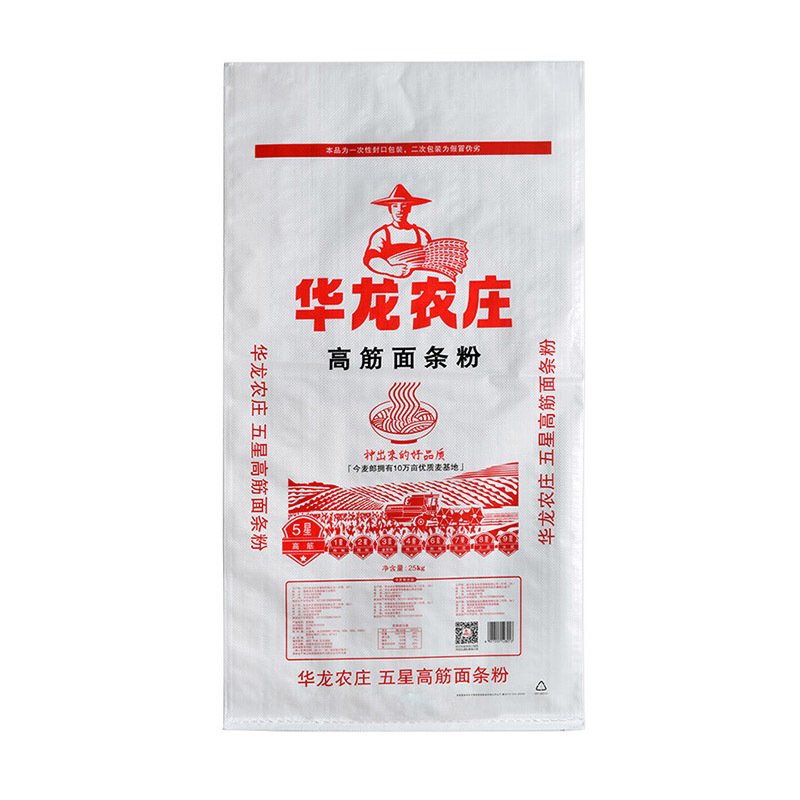
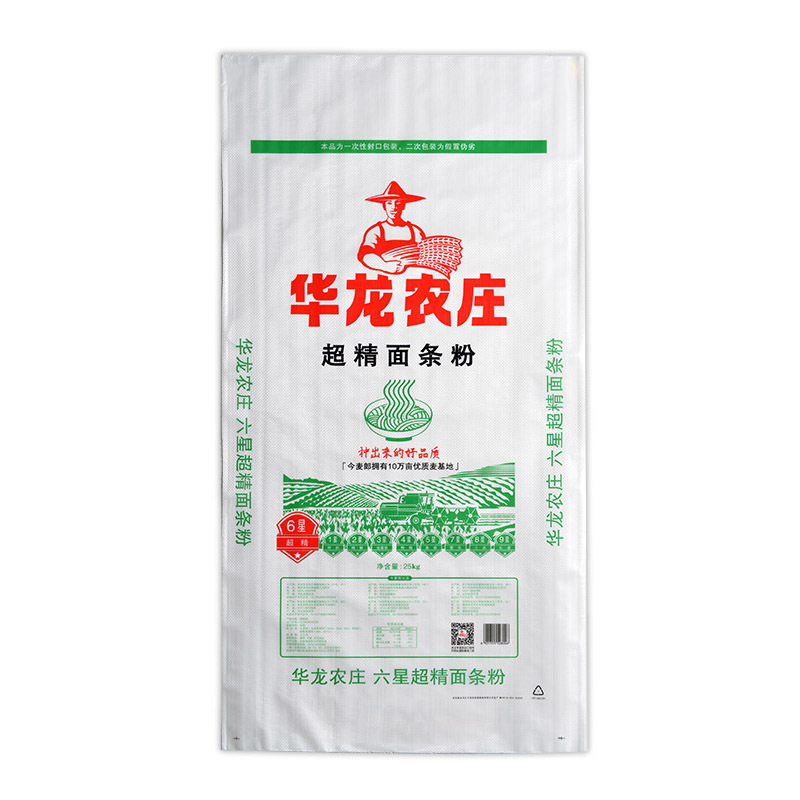
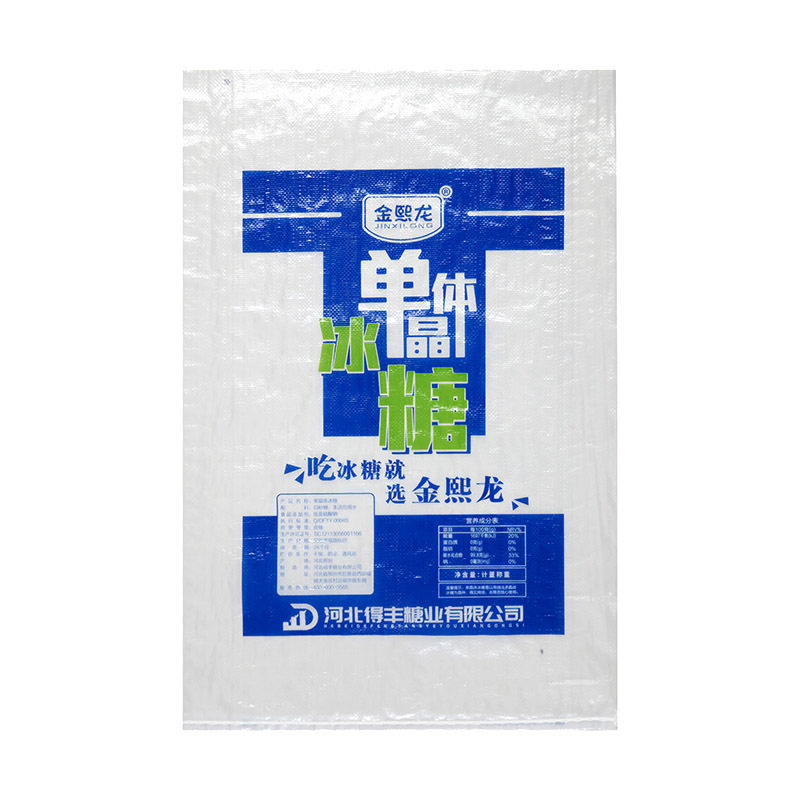
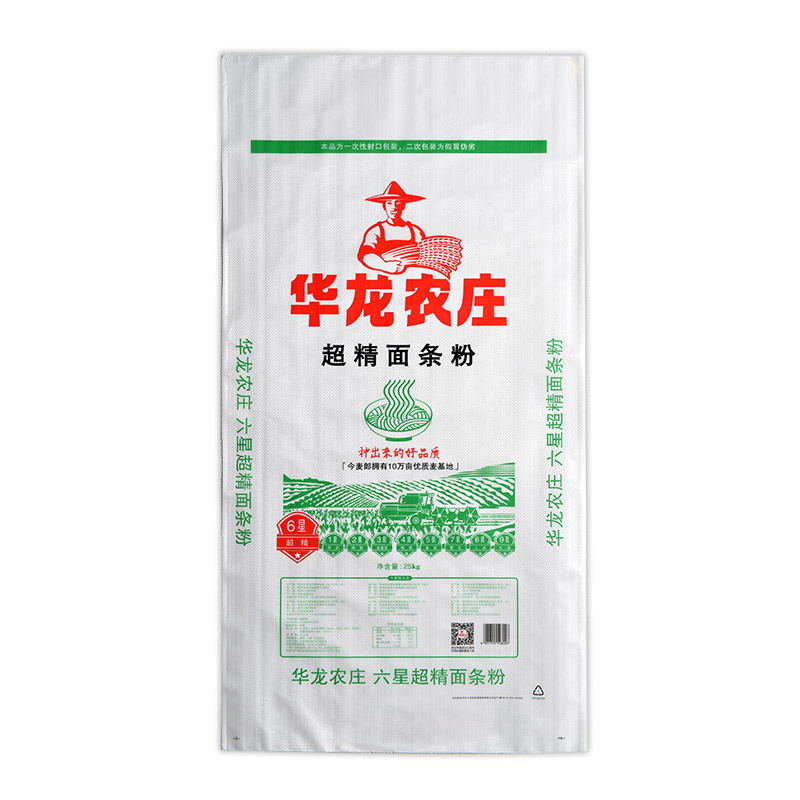
Plastic bags are among the most common packaging solutions for wheat flour. They are lightweight, flexible, and cost-effective, making them an attractive option for manufacturers. Plastic packaging can be designed to include resealable closures, allowing consumers to keep the flour fresh after opening.
However, it is important to note that not all plastic is created equal. High-density polyethylene (HDPE) and low-density polyethylene (LDPE) are preferred choices due to their moisture-resistant properties. Plastic packaging can protect against light and airflow, but it is essential to ensure that the materials used are food-safe.
3.2. Paper Bags: Traditional Yet Effective
Paper bags have been a long-standing choice for packaging wheat flour. They are biodegradable and often perceived as more environmentally friendly compared to plastic. Paper bags allow for better breathability, which helps to prevent moisture buildup inside the package.
While paper bags may not offer the same level of protection against moisture and pests as plastic, they can be effective when combined with an inner plastic liner. This hybrid approach ensures that consumers enjoy the benefits of both materials.
3.3. Vacuum-Sealed Packaging: Ultimate Freshness
Vacuum-sealed packaging is an innovative solution for preserving wheat flour freshness. By removing air from the package, this method effectively prevents oxidation, moisture intrusion, and pest contamination. Vacuum-sealed bags create a tight seal that keeps flour fresher for a longer time.
However, vacuum-sealed packaging can have higher production costs. It is often favored for premium flour brands, ensuring that consumers receive the highest quality product.
3.4. Foil Bags: Barrier Against Moisture
Foil bags are another excellent option for wheat flour packaging. Their excellent barrier properties protect against moisture, light, and oxygen, making them ideal for maintaining product freshness. Foil bags are often used for bulk packaging and long-term storage.
These bags are lightweight and can be easily sealed to prevent contamination. Additionally, foil packaging is recyclable, making it a sustainable choice for eco-conscious brands.
4. Importance of Packaging Design and Branding
Packaging design is not just about aesthetics; it plays a vital role in marketing and consumer perception. Attractive packaging can capture attention on store shelves and influence purchasing decisions. Clear labeling that includes ingredients, expiration dates, and nutritional information builds consumer trust and loyalty.
Branding opportunities also arise from effective packaging design. Unique shapes, colors, and graphics can differentiate a product from competitors, creating a memorable experience for customers. Investing in professional packaging design can lead to increased sales and a stronger brand presence in the market.
5. Sustainable Packaging Options for Wheat Flour
As consumer demand for sustainable products rises, the importance of eco-friendly packaging cannot be overstated. The packaging industry is evolving to meet these needs, offering several sustainable options for wheat flour packaging.
5.1. Biodegradable Materials
Biodegradable packaging materials break down naturally over time, reducing their environmental impact. Options such as compostable paper and biodegradable plastics can be effective for wheat flour packaging, appealing to environmentally conscious consumers.
These materials provide similar protective qualities as traditional packaging while contributing to a more sustainable future.
5.2. Recyclable Packaging Solutions
Recyclable packaging is another sustainable alternative. By using materials that can be recycled, manufacturers can reduce waste and promote a circular economy. Many consumers prefer products with recyclable packaging, which can enhance brand loyalty.
When designing recyclable packaging, it is crucial to ensure that the materials used are clearly labeled to encourage proper recycling practices.
6. Best Practices in Wheat Flour Packaging
Adhering to best practices in wheat flour packaging is essential for quality assurance. Here are some key considerations:
- **Select Appropriate Materials**: Choose packaging materials that provide adequate protection against moisture, light, and pests.
- **Implement Proper Sealing Techniques**: Ensure that all packages are sealed correctly to prevent contamination and maintain freshness.
- **Include Clear Labeling**: Provide essential information such as expiration dates, handling instructions, and allergen warnings on the packaging.
- **Optimize for Storage**: Design packaging that allows for efficient stacking and storage in retail environments and consumers' kitchens.
- **Educate Consumers**: Provide information about proper storage practices to help consumers maintain the freshness of their flour after opening.
By following these best practices, manufacturers can enhance the quality and shelf life of their wheat flour products.
7. FAQs About Wheat Flour Packaging
What is the best packaging for wheat flour?
The best packaging for wheat flour depends on factors like shelf life, storage conditions, and consumer preferences. Vacuum-sealed bags and foil bags are often considered superior due to their protective qualities.
How does packaging affect wheat flour freshness?
Packaging plays a crucial role in preserving the freshness of wheat flour by protecting it from moisture, light, and air, which can lead to spoilage.
Are plastic bags safe for wheat flour packaging?
Yes, plastic bags made from food-safe materials like HDPE and LDPE are commonly used for wheat flour packaging and are considered safe.
Can I store opened wheat flour in its packaging?
It is advisable to transfer opened flour to an airtight container to maintain its freshness and prevent moisture from entering the package.
What are sustainable options for wheat flour packaging?
Sustainable options include biodegradable materials, recyclable packaging, and eco-friendly inks for printing, which appeal to environmentally conscious consumers.
8. Conclusion: The Future of Wheat Flour Packaging
As the demand for quality and sustainable products continues to grow, the importance of effective wheat flour packaging cannot be overstated. By investing in innovative packaging solutions, manufacturers can ensure that their products remain fresh and appealing to consumers.
The future of wheat flour packaging lies in balancing quality, sustainability, and consumer preferences. By adopting best practices and exploring new materials and designs, we can unlock the full potential of wheat flour, ensuring that it reaches consumers in the best possible condition. The commitment to protecting product integrity and responding to consumer desires will ultimately define success in this ever-evolving market.
Key words:
About Fuzeyuan
Fuzeyuan can customize all kinds of plastic bags according to customer needs
Contact Information
Address: Dongfang Food City, Longyao County, Xingtai City, Hebei Province
Telephone: 86 0319-6666358
Mobile: 86 13784903535
Mailbox: hebeifuzeyuan@163.com
Copyright© Hebei Fuzeyuan Packaging Products Co., Ltd.