

News Center
Focus on hot spots
Contact Information
Mailbox:hebeifuzeyuan@163.com
Telephone: 86 0319-6666358
Mobile: 86 13784903535
Address: Dongfang Food City, Longyao County, Xingtai City, Hebei Province
The Essential Guide to Flour Bags: Understanding Their Role in Packaging and Logistics
Release time:
2024-09-24
Flour bags play a critical role in the packaging and logistics of one of the world's most essential food products: flour. These specialized bags are designed to meet the unique needs of flour storage and transportation, ensuring that the flour remains fresh, safe, and uncontaminated during its journey from mill to market. The primary function of flour bags is to protect the flour from environment
The primary function of flour bags is to protect the flour from environmental factors such as moisture, pests, and contamination. Most flour bags are made from durable materials, such as plastic woven fabric, which provides a robust barrier against outside elements. The design of these bags often includes features like a tight-sealing closure, which helps maintain the quality of the flour inside.
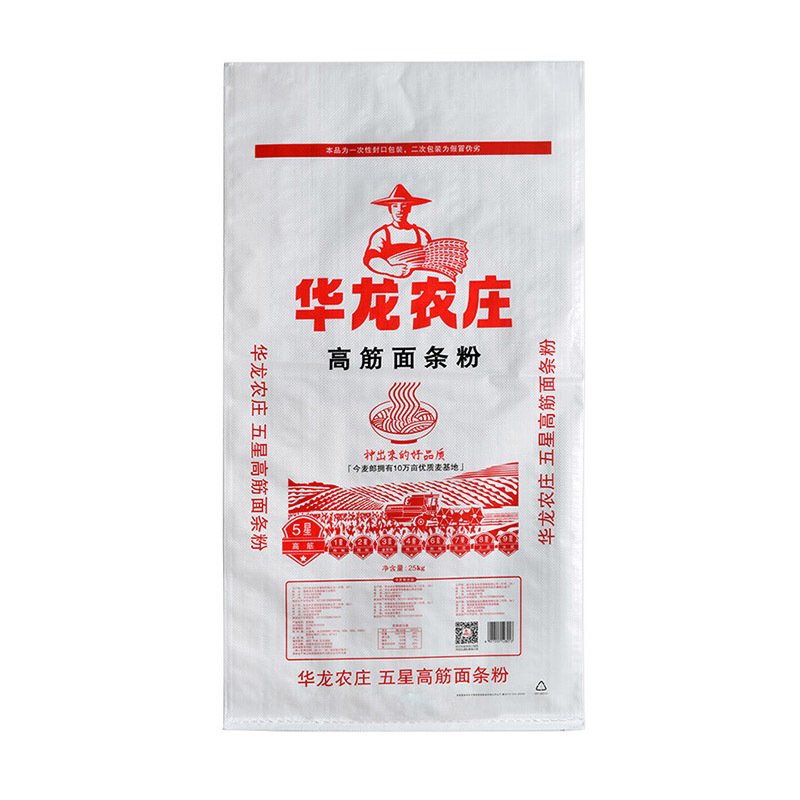
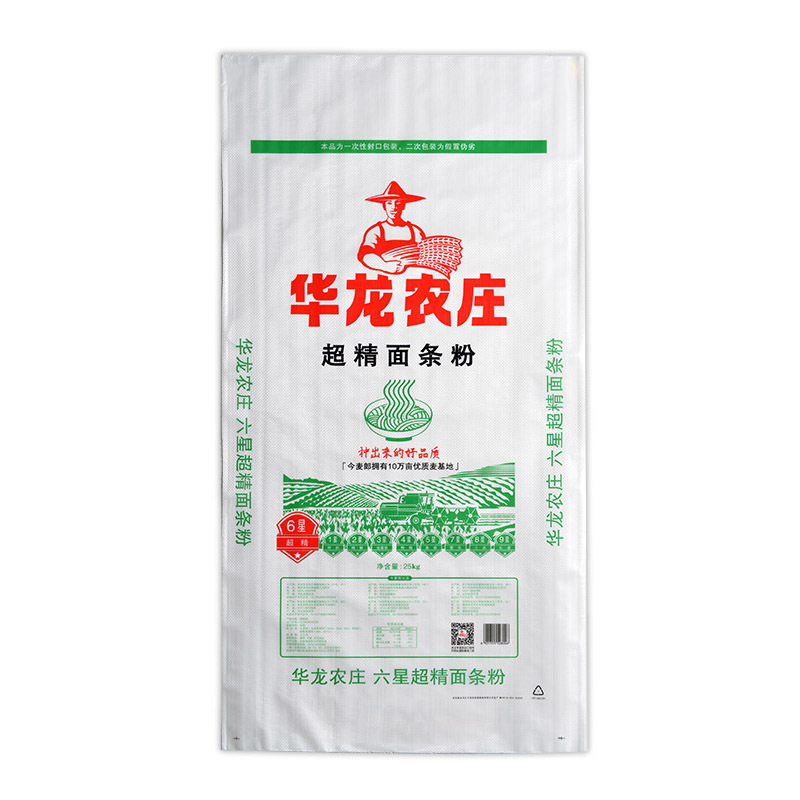
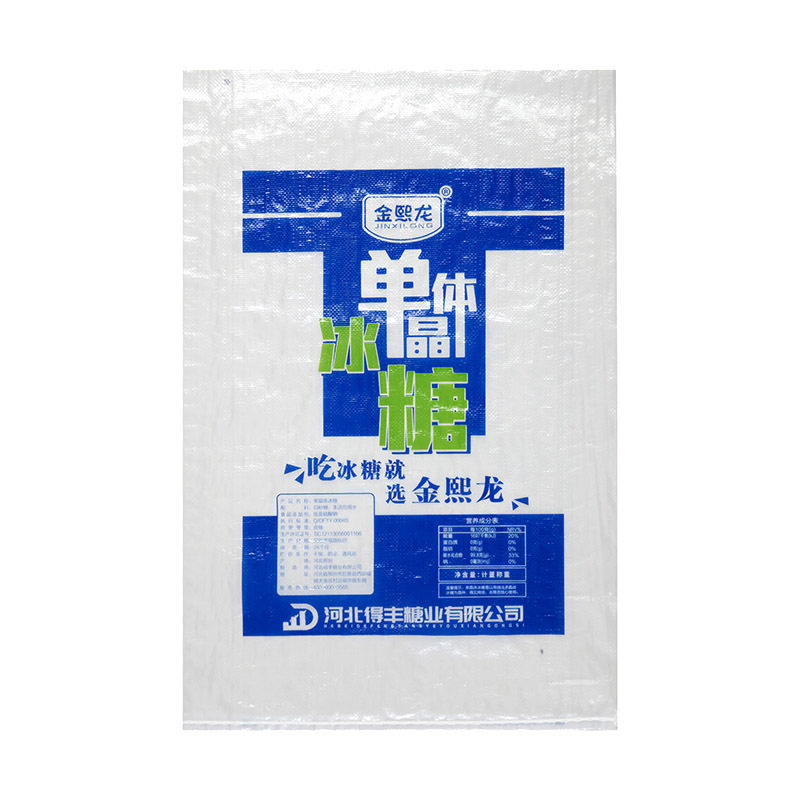
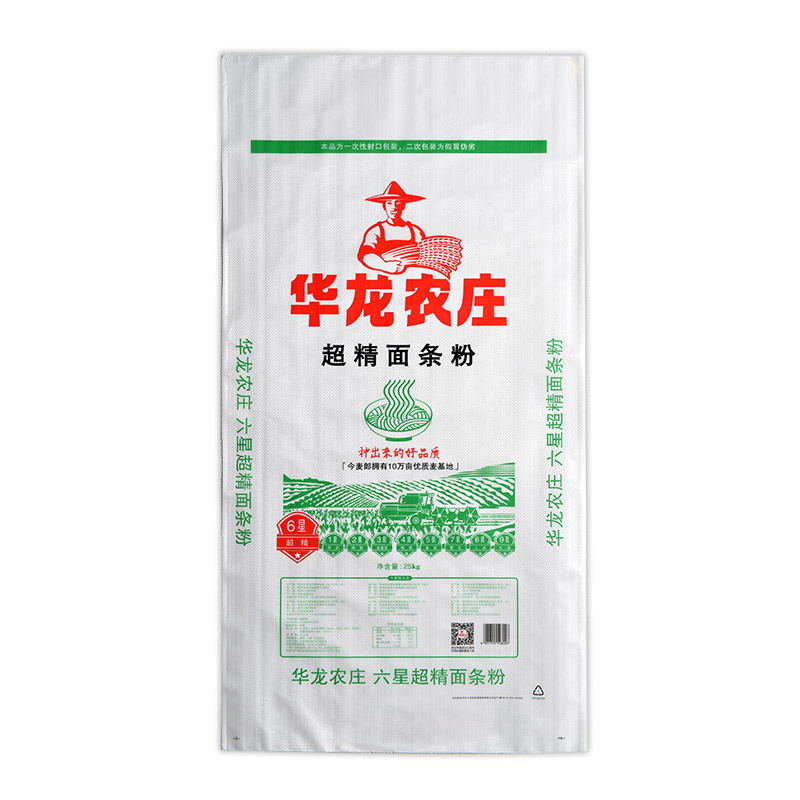
When it comes to selecting the right flour bags, there are several options available. The most common types include polywoven bags, which are lightweight yet strong, and laminated bags that provide an added layer of moisture protection. Some manufacturers also offer biodegradable options, catering to the growing demand for environmentally friendly packaging solutions. Each type has its unique benefits, and businesses should consider their specific requirements when choosing the appropriate flour bags for their products.
In addition to protection, flour bags are also an essential component of branding and marketing. The exterior of the bag often features colorful designs and informative labels, which help to attract consumers and provide necessary information about the product. This aspect of flour packaging not only enhances shelf appeal but also aids in compliance with food safety regulations.
In logistics, the importance of flour bags extends beyond just protection and marketing. Their size and shape are optimized for efficient stacking and transport, minimizing wasted space during shipping. This efficiency is crucial for businesses that aim to reduce logistics costs while maximizing their storage capabilities. Moreover, when flour bags are used in bulk shipments, they can significantly streamline the loading and unloading processes, making operations smoother and more cost-effective.
Sustainability is also becoming a significant consideration in the production of flour bags. Many manufacturers are exploring eco-friendly materials and designs to reduce environmental impact. Using recyclable or biodegradable flour bags not only meets consumer demand for sustainable products but also helps businesses align with global sustainability goals.
In conclusion, flour bags are more than just simple containers; they are a vital part of the flour supply chain. From preserving product quality to enhancing brand visibility and improving logistics efficiency, these bags serve multiple purposes. Understanding the significance of flour bags can help businesses make informed decisions about their packaging needs, ultimately contributing to a more successful product launch and distribution strategy.
Key words:
About Fuzeyuan
Fuzeyuan can customize all kinds of plastic bags according to customer needs
Contact Information
Address: Dongfang Food City, Longyao County, Xingtai City, Hebei Province
Telephone: 86 0319-6666358
Mobile: 86 13784903535
Mailbox: hebeifuzeyuan@163.com
Copyright© Hebei Fuzeyuan Packaging Products Co., Ltd.