

News Center
Focus on hot spots
Contact Information
Mailbox:hebeifuzeyuan@163.com
Telephone: 86 0319-6666358
Mobile: 86 13784903535
Address: Dongfang Food City, Longyao County, Xingtai City, Hebei Province
How Flour Bags Contribute to Safer Food Handling
Release time:
2024-09-22
How Flour Bags Contribute to Safer Food Handling Table of Contents 1. Introduction to Flour Bags and Food Safety 2. The Importance of Packaging in Food Safety 3. Design Elements of Flour Bags for Enhanced Safety 4. Materials Used in Flour Bag Production 5. Preventing Contamination with Flour Bags 6. Maintaining Freshness: The Role of Flour Bags 7. Sustainability in Flo
How Flour Bags Contribute to Safer Food Handling
Table of Contents
- 1. Introduction to Flour Bags and Food Safety
- 2. The Importance of Packaging in Food Safety
- 3. Design Elements of Flour Bags for Enhanced Safety
- 4. Materials Used in Flour Bag Production
- 5. Preventing Contamination with Flour Bags
- 6. Maintaining Freshness: The Role of Flour Bags
- 7. Sustainability in Flour Bag Production
- 8. Best Practices for Handling Flour Bags
- 9. Frequently Asked Questions
- 10. Conclusion
1. Introduction to Flour Bags and Food Safety
In the realm of food production and handling, **safety** is paramount. Flour bags, often overlooked, play a pivotal role in safeguarding the integrity of food products. This article delves into how flour bags contribute to safer food handling practices, ensuring that flour remains free from contaminants and retains its quality until it reaches the consumer's table.
2. The Importance of Packaging in Food Safety
Effective packaging is crucial in the food industry. It not only protects the product but also plays a significant role in extending shelf life and preventing foodborne illnesses. Poorly packaged flour can lead to various issues, including spoilage and contamination.
**Food safety standards** dictate that manufacturers must adhere to stringent packaging regulations to minimize risks. Flour bags are engineered with this in mind, ensuring that they provide optimal protection against external factors.
3. Design Elements of Flour Bags for Enhanced Safety
Flour bags are designed with several key features to enhance their safety and functionality:
3.1 Barrier Properties
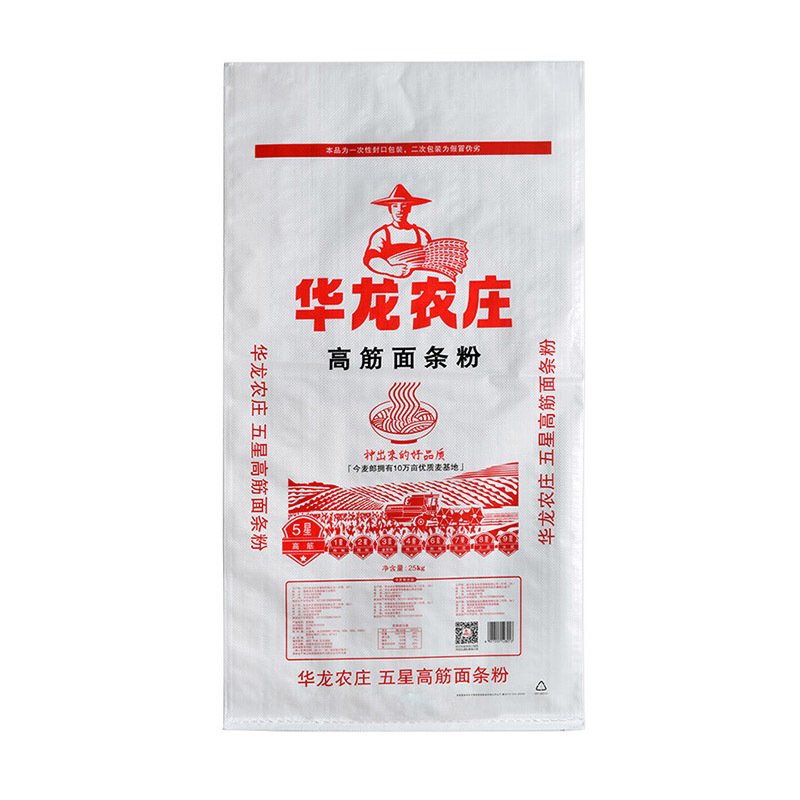
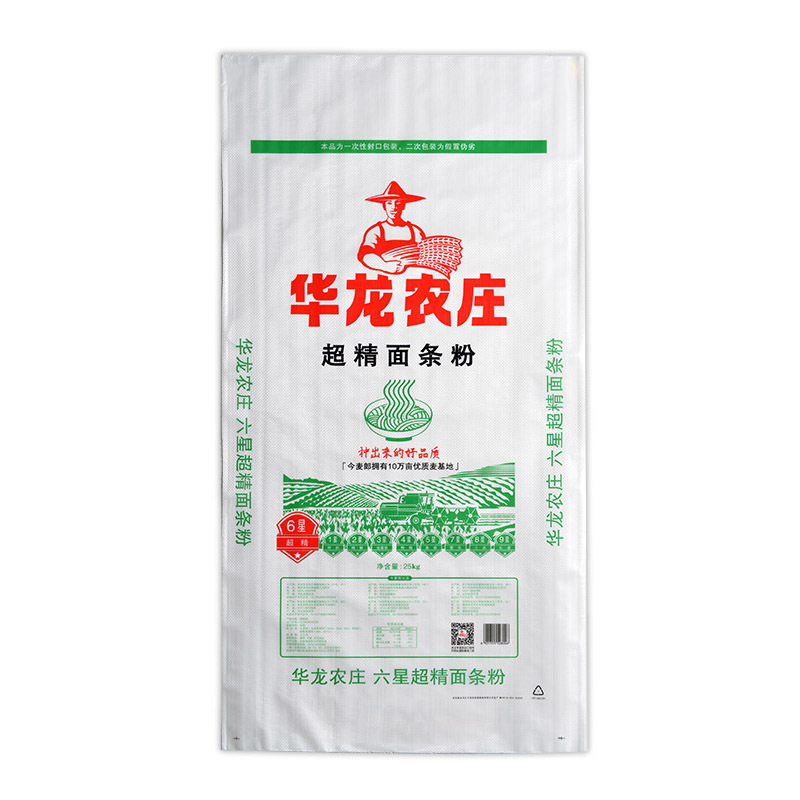
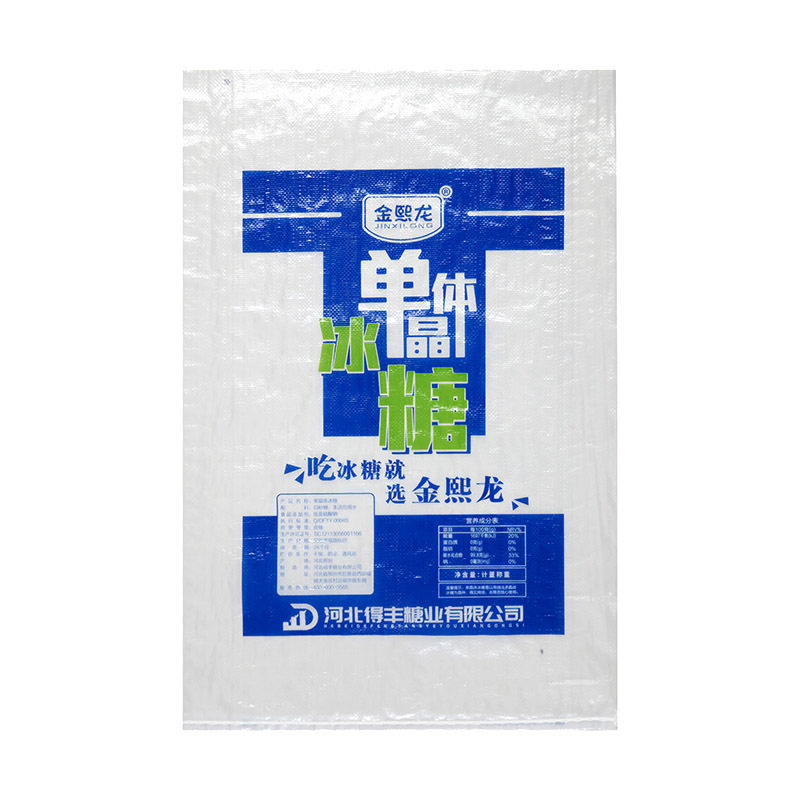
High-quality flour bags often include multi-layer constructions that act as barriers against moisture, air, and light. These elements are crucial in preventing spoilage and maintaining the flour's freshness over time.
3.2 Tamper-Evident Seals
Many manufacturers utilize tamper-evident seals on their flour bags. These seals provide a visual indicator of whether the product has been compromised, enhancing consumer confidence in the safety of the flour.
3.3 User-Friendly Design
The design of flour bags often includes features such as easy-open tops and resealable options. This user-friendly approach ensures that consumers can handle the product safely and store it correctly after opening.
4. Materials Used in Flour Bag Production
The materials used in the production of flour bags are selected for their protective qualities and safety. Commonly used materials include:
4.1 Plastic Polypropylene
**Polypropylene** is widely used for its lightweight, moisture-resistant properties. This material helps in keeping flour dry and prevents clumping.
4.2 Paper and Kraft Paper
**Kraft paper** is biodegradable and recyclable, making it an environmentally friendly option. This type of material is often coated to enhance its barrier properties against moisture.
4.3 Compostable Materials
As sustainability becomes a priority in packaging, some manufacturers are turning to compostable materials that maintain the necessary safety standards for food packaging while minimizing environmental impact.
5. Preventing Contamination with Flour Bags
Contamination can occur at several stages in the supply chain, from production to transportation and storage. Flour bags are designed to mitigate these risks:
5.1 Hygiene Standards
Manufacturers abide by **strict hygiene standards** during the production of flour bags, ensuring that they are free from contaminants before they reach the flour.
5.2 Stackability and Storage
Flour bags are often designed for easy stacking and storage. This prevents physical damage and reduces the risk of contamination from surrounding environments.
6. Maintaining Freshness: The Role of Flour Bags
Maintaining the freshness of flour is essential for its performance in baking and cooking. Flour bags contribute to this in several ways:
6.1 Oxygen Barrier
The multi-layer construction of flour bags often includes an oxygen barrier, which helps in preventing oxidation. This is crucial for maintaining the quality of flour and preventing rancidity.
6.2 Moisture Resistance
Moisture is the enemy of flour quality. By utilizing moisture-resistant materials, flour bags ensure that the product remains dry and usable for an extended period.
7. Sustainability in Flour Bag Production
As consumers become more environmentally conscious, the demand for sustainable packaging solutions has risen. Flour bag manufacturers are increasingly adopting practices that align with these values:
7.1 Eco-Friendly Materials
Utilizing biodegradable and recyclable materials not only reduces waste but also appeals to consumers looking for environmentally friendly options.
7.2 Reduction of Carbon Footprint
Innovative production techniques aim to reduce the carbon footprint associated with flour bag manufacture, from sourcing materials to transportation.
8. Best Practices for Handling Flour Bags
To ensure that flour remains safe during handling, consumers and businesses should adhere to best practices:
8.1 Proper Storage Techniques
Flour bags should be stored in a cool, dry place away from direct sunlight. This helps in maintaining the quality and safety of the flour.
8.2 Checking Seals
Before purchasing or using flour, consumers should always check the integrity of the packaging. Tamper-evident seals should not be broken, and the bag should be free from damage.
8.3 Hygiene Practices
When handling flour, maintaining cleanliness is critical. Hands should be washed, and utensils should be clean to prevent cross-contamination.
9. Frequently Asked Questions
9.1 Why is packaging important for flour safety?
Packaging protects flour from contamination, moisture, and spoilage, ensuring it remains safe and usable.
9.2 What materials are flour bags made of?
Flour bags are typically made from plastic polypropylene, paper, kraft paper, and increasingly, compostable materials.
9.3 How can I tell if a flour bag is compromised?
Check for tamper-evident seals and inspect the bag for any damage or holes before purchasing or using.
9.4 Can flour bags be recycled?
Many flour bags made from paper or recyclable plastics can be recycled, but it's essential to check local recycling guidelines.
9.5 What are the best storage conditions for flour?
Flour should be stored in a cool, dry place, ideally in an airtight container to maintain freshness and prevent moisture.
10. Conclusion
Flour bags play a critical role in the food supply chain, directly impacting food safety and quality. By utilizing advanced materials and designs, they prevent contamination, maintain freshness, and align with sustainability goals. Understanding the importance of these packaging solutions empowers consumers and businesses alike to make informed decisions. Through proper handling and storage practices, we can ensure that flour not only meets safety standards but also supports a healthier food environment for all.
Key words:
About Fuzeyuan
Fuzeyuan can customize all kinds of plastic bags according to customer needs
Contact Information
Address: Dongfang Food City, Longyao County, Xingtai City, Hebei Province
Telephone: 86 0319-6666358
Mobile: 86 13784903535
Mailbox: hebeifuzeyuan@163.com
Copyright© Hebei Fuzeyuan Packaging Products Co., Ltd.