

News Center
Focus on hot spots
Contact Information
Mailbox:hebeifuzeyuan@163.com
Telephone: 86 0319-6666358
Mobile: 86 13784903535
Address: Dongfang Food City, Longyao County, Xingtai City, Hebei Province
Exploring the Eco-Friendly Appeal of Woven Bags in Logistics: A Sustainable Solution for Modern Supply Chains
Release time:
2024-08-14
Exploring the Eco-Friendly Appeal of Woven Bags in Logistics Table of Contents 1. Introduction to Woven Bags in Logistics 2. The Environmental Impact of Packaging Solutions 3. What Are Woven Bags? 4. Benefits of Using Woven Bags in Logistics 4.1 Durability and Strength 4.2 Eco-Friendliness and Sustainability 4.3 Versatility and Customization 5. Comparing Woven Bags with Traditional Packaging Optio
Exploring the Eco-Friendly Appeal of Woven Bags in Logistics
Table of Contents
1. Introduction to Woven Bags in Logistics
2. The Environmental Impact of Packaging Solutions
3. What Are Woven Bags?
4. Benefits of Using Woven Bags in Logistics
4.1 Durability and Strength
4.2 Eco-Friendliness and Sustainability
4.3 Versatility and Customization
5. Comparing Woven Bags with Traditional Packaging Options
6. Applications of Woven Bags in the Logistics Sector
6.1 Food Industry
6.2 Agriculture
6.3 Retail and E-commerce
7. How to Choose the Right Woven Bag for Your Needs
7.1 Material Considerations
7.2 Size and Capacity
8. Conclusion
9. FAQs
1. Introduction to Woven Bags in Logistics
In today's ever-evolving logistics landscape, sustainability has emerged as a central theme. Businesses are increasingly seeking eco-friendly packaging solutions that not only meet their operational needs but also contribute to environmental conservation. Woven bags have gained prominence as a sustainable option in this regard. These bags, crafted from woven materials, offer a remarkable blend of durability, versatility, and eco-friendliness. This article explores the appeal of woven bags in logistics, emphasizing their advantages and applications.
2. The Environmental Impact of Packaging Solutions
As global awareness of environmental issues rises, the quest for sustainable packaging solutions has become paramount. Traditional packaging materials, such as plastic and cardboard, contribute significantly to waste generation and pollution. In contrast, woven bags present an eco-conscious alternative. These bags are often made from recyclable materials, reducing the carbon footprint associated with production and disposal. Embracing woven bags in logistics not only enhances a company's green credentials but also appeals to a growing demographic of environmentally conscious consumers.
3. What Are Woven Bags?
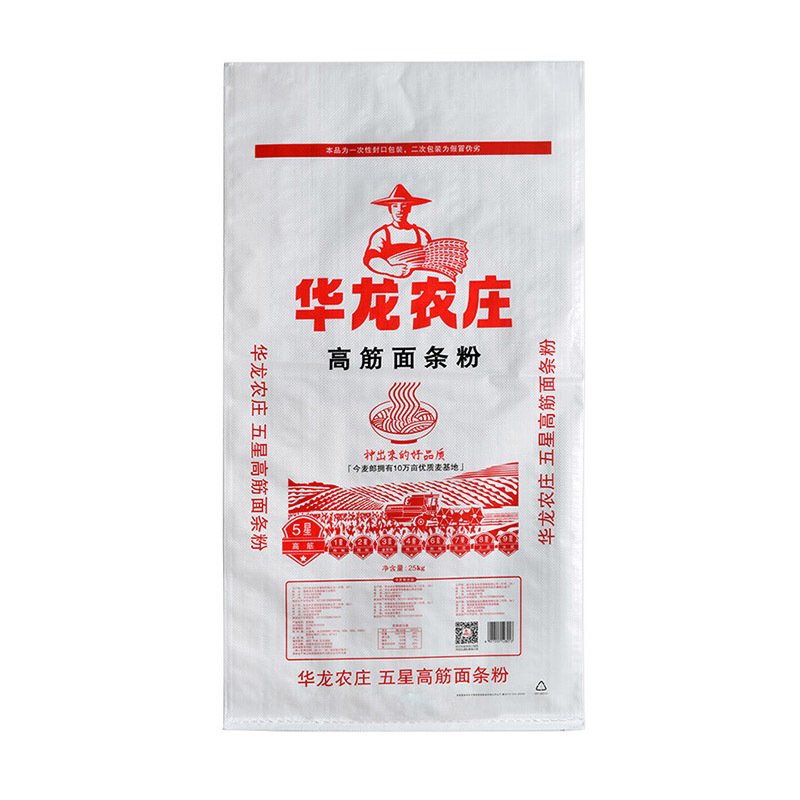
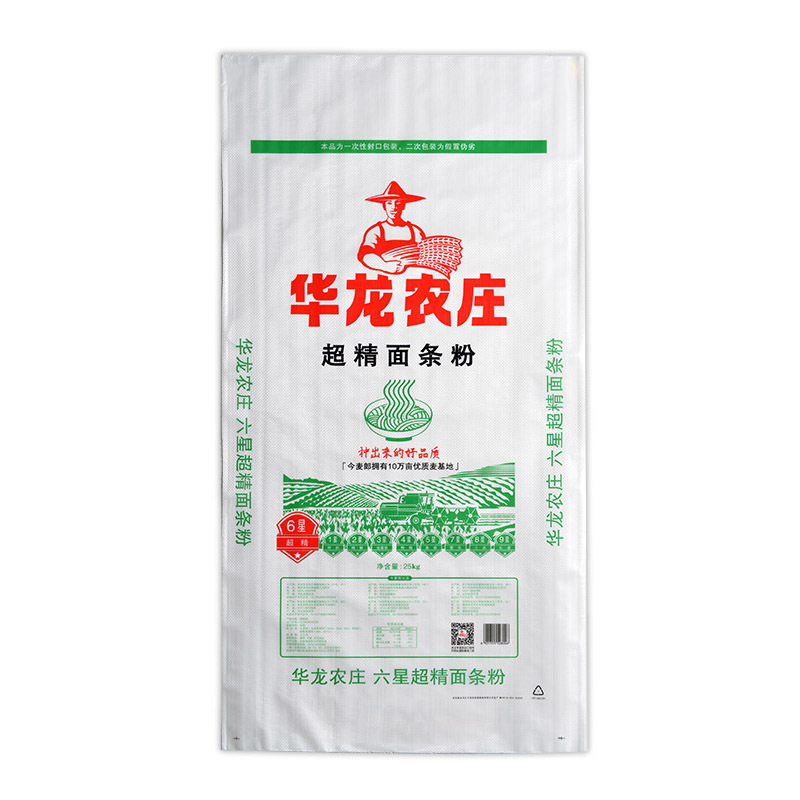
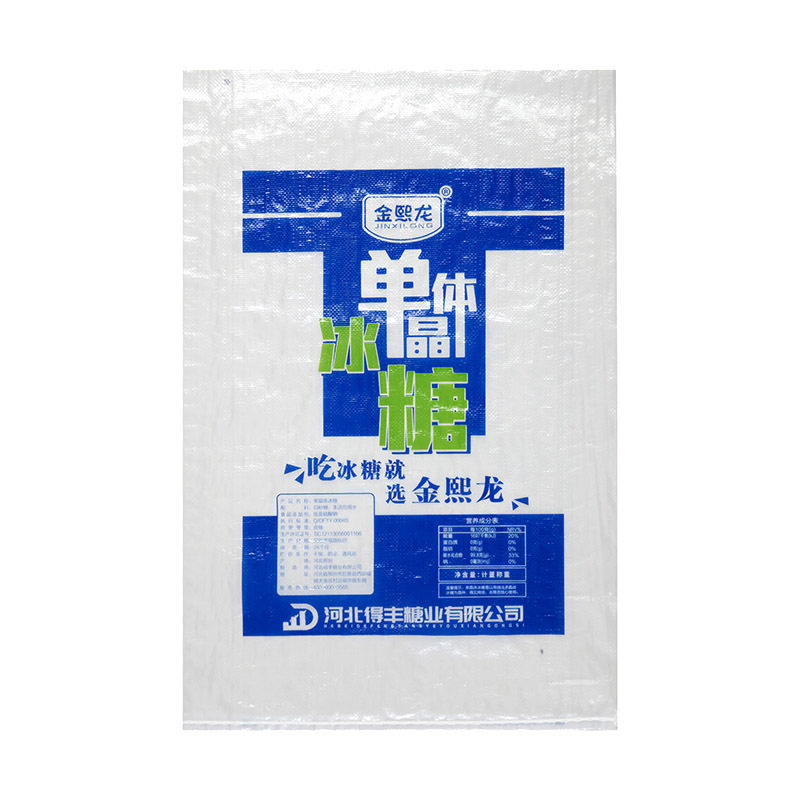
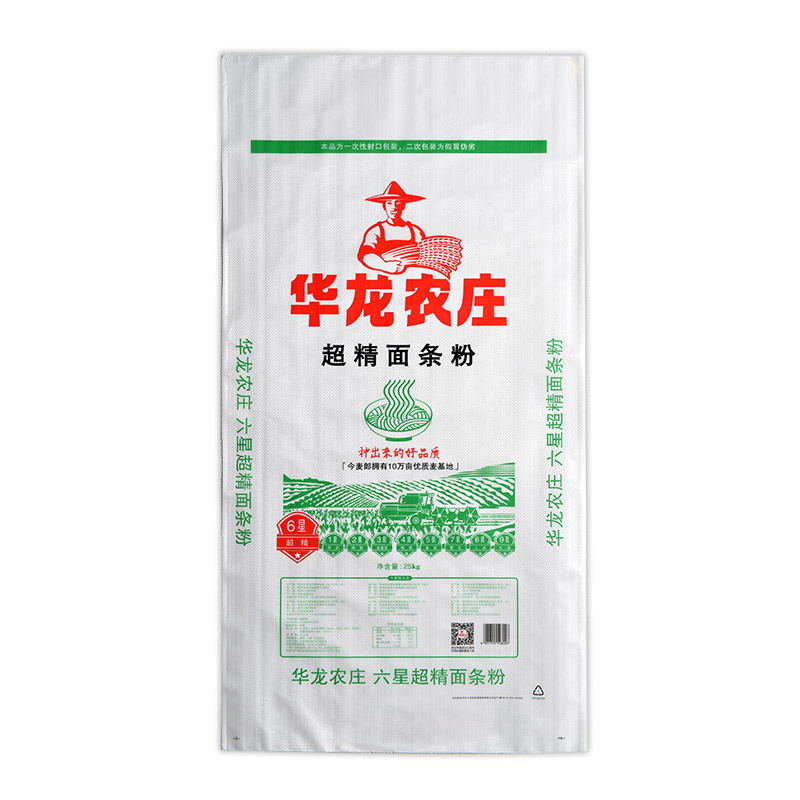
Woven bags are made from interlaced fibers, which can include polypropylene, polyethylene, or other synthetic materials. The weaving process gives these bags exceptional strength and durability, allowing them to hold heavy loads while maintaining their integrity. Available in various sizes and designs, woven bags can be customized to suit specific industry needs. Their lightweight nature further contributes to efficiency in transportation and storage.
4. Benefits of Using Woven Bags in Logistics
4.1 Durability and Strength
One of the standout features of woven bags is their impressive durability. Unlike traditional paper or plastic bags, woven bags can withstand significant weight and pressure. This characteristic makes them ideal for transporting bulky items, ensuring that goods arrive at their destination intact.
4.2 Eco-Friendliness and Sustainability
Woven bags are often produced from recycled materials, making them a sustainable choice for businesses looking to reduce their environmental impact. Many woven bags are reusable, further extending their lifecycle and minimizing waste. With the effective recycling of woven materials, companies can support a circular economy.
4.3 Versatility and Customization
Woven bags are incredibly versatile, suitable for a variety of applications across different industries. They can be easily customized with logos, designs, and colors, allowing businesses to enhance brand visibility while adopting eco-friendly practices. This adaptability makes woven bags a preferred choice for logistics providers seeking tailored packaging solutions.
5. Comparing Woven Bags with Traditional Packaging Options
When evaluating packaging solutions, it's crucial to compare woven bags with traditional options. While plastic bags are lightweight, they lack the durability and eco-friendly aspects of woven bags. Cardboard boxes, although recyclable, often require substantial resources for production and can degrade over time. Woven bags bridge the gap by offering a robust, sustainable alternative that meets the demands of modern logistics.
6. Applications of Woven Bags in the Logistics Sector
Woven bags have found applications across various industries, showcasing their versatility and effectiveness in logistics.
6.1 Food Industry
In the food sector, woven bags are frequently used for packaging grains, produce, and other bulk items. Their breathable nature helps maintain product freshness while providing an effective barrier against pests and contaminants.
6.2 Agriculture
Woven bags play a crucial role in agriculture, facilitating the storage and transport of fertilizers, seeds, and harvested crops. Their strength and resistance to tearing ensure that agricultural products remain secure during transit.
6.3 Retail and E-commerce
With the rise of e-commerce, woven bags have become popular for packaging goods shipped directly to consumers. Retailers appreciate the eco-friendly message conveyed by using woven bags, aligning their brand with sustainability initiatives.
7. How to Choose the Right Woven Bag for Your Needs
Selecting the ideal woven bag requires careful consideration of various factors to ensure it meets the specific requirements of your logistics operations.
7.1 Material Considerations
Different woven materials offer varying levels of durability and eco-friendliness. Assessing the intended use of the bag can guide you in choosing the right material, whether polypropylene for heavy-duty applications or biodegradable options for more sustainable solutions.
7.2 Size and Capacity
Choosing the right size and capacity is essential for effective logistics management. Woven bags come in multiple dimensions, allowing businesses to select bags that suit their product sizes and transportation methods.
8. Conclusion
The transition to woven bags represents a significant shift towards sustainable logistics practices. As awareness of environmental issues continues to grow, businesses must adapt to consumer expectations and regulatory demands for eco-friendly solutions. Woven bags not only offer a robust and versatile packaging option but also contribute to a more sustainable future. By embracing this innovative approach, companies can enhance their operational efficiency while promoting environmental stewardship.
9. FAQs
What materials are woven bags made from?
Woven bags are typically made from polypropylene, polyethylene, or other synthetic materials, often produced from recycled sources.
How long do woven bags last?
Woven bags can last for several years, especially when used and stored properly. Their durability makes them suitable for repeated use.
Are woven bags eco-friendly?
Yes, woven bags are considered eco-friendly as they are often made from recycled materials and can be reused multiple times, reducing waste.
Can woven bags be customized?
Absolutely! Woven bags can be easily customized with logos, designs, and colors to meet specific branding needs.
What industries benefit from using woven bags?
Industries such as agriculture, food, retail, and e-commerce benefit significantly from using woven bags for their packaging and transportation needs.
Key words:
About Fuzeyuan
Fuzeyuan can customize all kinds of plastic bags according to customer needs
Contact Information
Address: Dongfang Food City, Longyao County, Xingtai City, Hebei Province
Telephone: 86 0319-6666358
Mobile: 86 13784903535
Mailbox: hebeifuzeyuan@163.com
Copyright© Hebei Fuzeyuan Packaging Products Co., Ltd.