

News Center
Focus on hot spots
Contact Information
Mailbox:hebeifuzeyuan@163.com
Telephone: 86 0319-6666358
Mobile: 86 13784903535
Address: Dongfang Food City, Longyao County, Xingtai City, Hebei Province
Revolutionizing Packaging Solutions: Noodle Powder Bag Trends to Watch
Release time:
2025-01-11
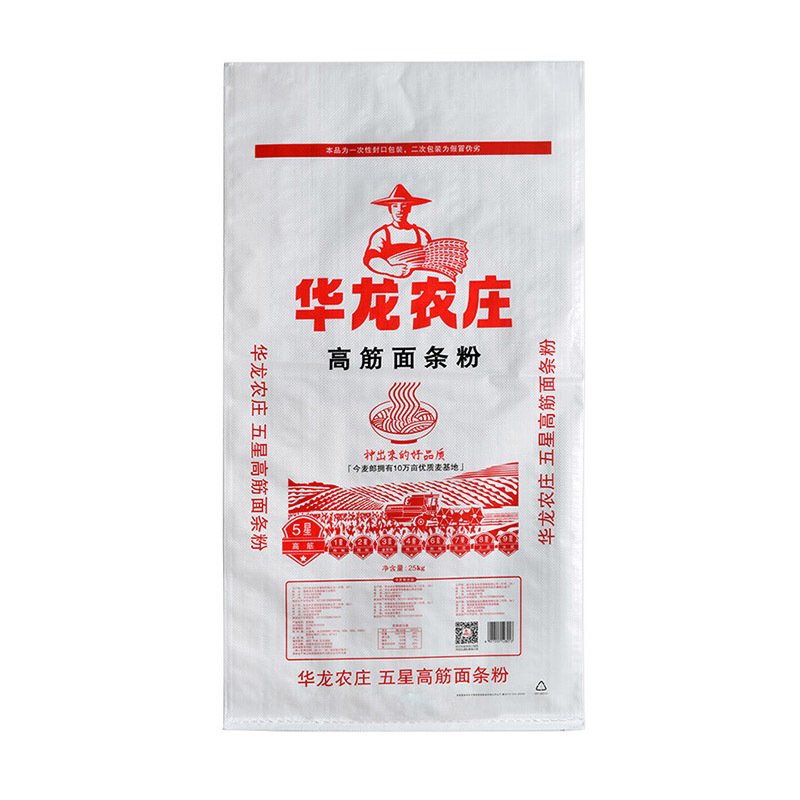
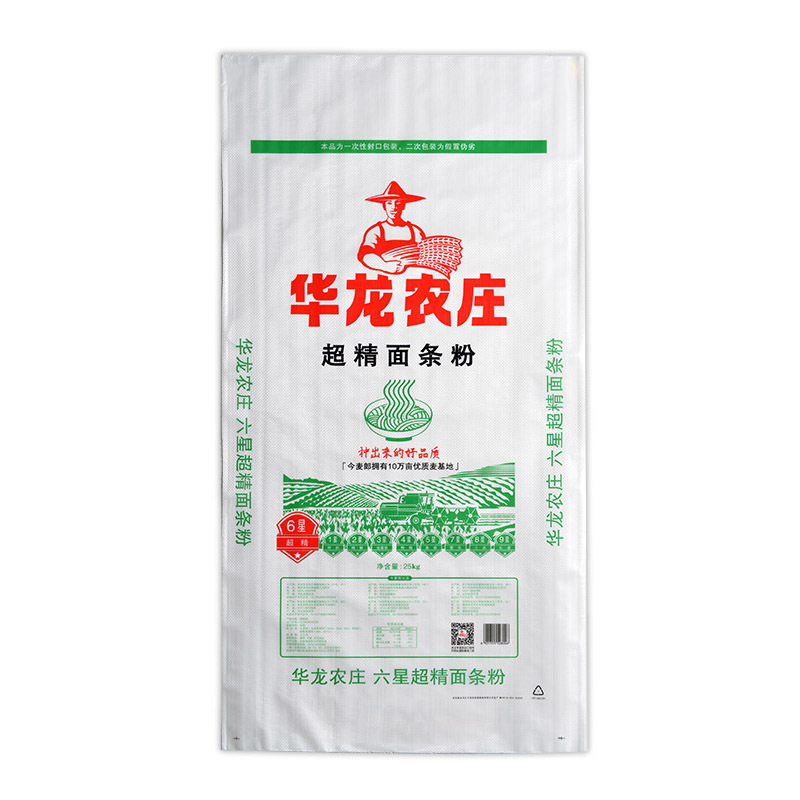
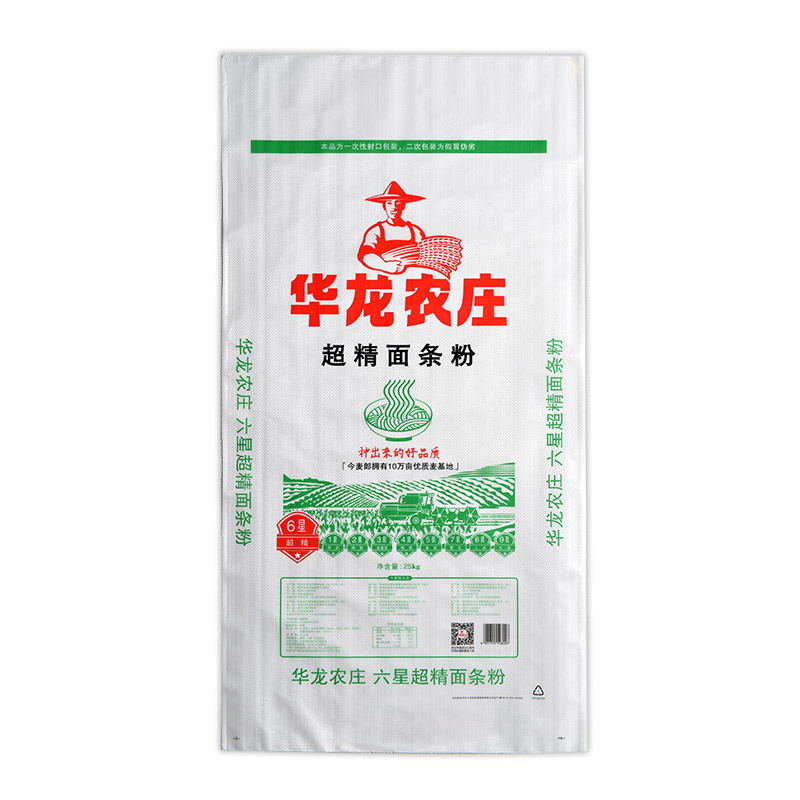
Noodle powder, a versatile ingredient used in various culinary applications, requires packaging that preserves its freshness and quality. Traditional packaging methods often fall short of meeting the evolving needs of manufacturers and consumers alike. As such, packaging solutions for noodle powder are adapting to include innovative materials and designs aimed at enhancing functionality and consumer appeal.
Noodle powder, a versatile ingredient used in various culinary applications, requires packaging that preserves its freshness and quality. Traditional packaging methods often fall short of meeting the evolving needs of manufacturers and consumers alike. As such, packaging solutions for noodle powder are adapting to include innovative materials and designs aimed at enhancing functionality and consumer appeal.
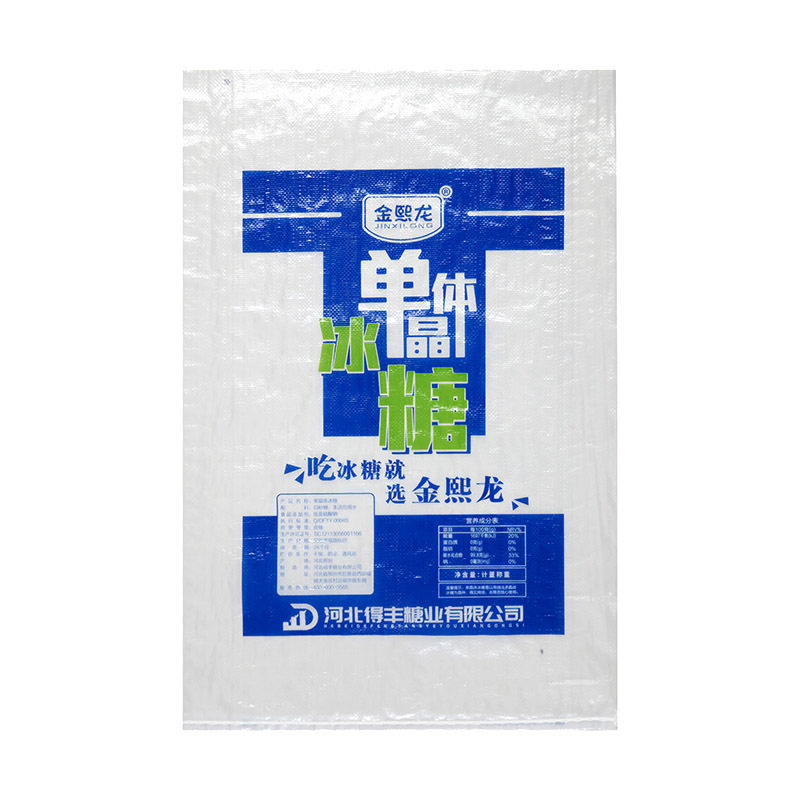
In the competitive food industry, packaging plays a crucial role in branding, marketing, and product preservation. Effective packaging not only protects the product from external elements but also provides vital information to consumers. Packaging serves as a silent salesperson, attracting potential buyers through appealing designs and informative labeling. Furthermore, with the growing emphasis on sustainability, packaging must also reflect a brand's commitment to environmental responsibility.
The shift towards sustainability in packaging is gaining momentum, influenced by consumer awareness and regulatory pressures. Noodle powder manufacturers are increasingly opting for eco-friendly materials that minimize environmental impact. Options such as biodegradable films, recycled plastics, and compostable bags are becoming popular. Not only do these materials reduce waste, but they also resonate with environmentally conscious consumers looking for sustainable choices.
Biodegradable packaging breaks down naturally over time, while compostable materials can be turned into nutrient-rich compost. Brands utilizing these options are often perceived as more responsible and can attract a loyal customer base that values sustainability.
Recycled plastics offer a practical alternative to virgin materials, reducing the demand for new plastic production. This type of packaging is frequently used in noodle powder bags, providing durability while also promoting a circular economy.
Barrier films are designed to protect products from moisture, oxygen, and light, which are critical factors affecting the quality of noodle powder. These advanced materials ensure that the product remains fresh and retains its flavor for an extended period.
Smart packaging technologies, such as QR codes and NFC (Near Field Communication), are gaining traction in the food industry. These technologies allow consumers to access information about the product, its origin, and even cooking instructions just by scanning a code with their smartphones.
Minimalist design focuses on simplicity and clarity. Clean lines, neutral colors, and straightforward messaging create an elegant look that appeals to modern consumers. This approach not only enhances shelf appeal but also communicates a sense of quality and sophistication.
On the other end of the spectrum, vibrant graphics and bold colors are being used to attract attention. Bright, eye-catching designs can evoke emotions and stimulate appetite, making them particularly effective in the competitive noodle powder market.
Transparent packaging allows consumers to see the product inside, reinforcing the notion of freshness and quality. This trend is particularly popular among health-conscious consumers, who prefer to inspect the product before purchasing.
Automated packaging systems streamline the packaging process, reducing labor costs and increasing production speed. These systems ensure consistent quality and minimize waste, which is particularly beneficial for large-scale noodle powder manufacturers.
Digital printing has transformed the way packaging designs are produced. This technology allows for high-quality graphics and the ability to customize designs for specific markets or campaigns without significant cost increases.
With the increasing focus on health and wellness, consumers are more inclined to choose products with clean labels and minimal processing. Packaging that highlights health benefits, such as organic ingredients or low calories, tends to attract health-conscious buyers.
Busy lifestyles lead consumers to prefer packaging that offers convenience. Resealable bags, single-serve options, and easy-to-open designs cater to this need, making it more likely that consumers will choose noodle powder products that offer these features.
While sustainable materials are gaining popularity, their cost can be a barrier for some manufacturers. Striking a balance between sustainability and cost-efficiency remains a significant challenge.
Packaging regulations vary by region and may change frequently. Ensuring compliance with these regulations can be complex and requires ongoing attention from manufacturers to avoid penalties and product recalls.
As we look to the future, the noodle powder packaging industry is poised for further innovation. Emerging trends such as personalized packaging, augmented reality experiences, and advanced eco-friendly materials will likely shape the market landscape. Brands that stay ahead of these trends and adapt their packaging strategies accordingly will have a competitive edge in the ever-evolving food sector.
The noodle powder packaging landscape is evolving rapidly, driven by consumer demand for quality, sustainability, and innovation. As manufacturers embrace new materials, design trends, and technologies, they position themselves to meet the challenges of a competitive market. By staying informed about emerging trends and consumer preferences, brands can create packaging solutions that not only protect their products but also resonate with environmentally conscious consumers. The future of noodle powder packaging is bright, and those who adapt will undoubtedly lead the way in this dynamic industry.
Key words:
About Fuzeyuan
Fuzeyuan can customize all kinds of plastic bags according to customer needs
Contact Information
Address: Dongfang Food City, Longyao County, Xingtai City, Hebei Province
Telephone: 86 0319-6666358
Mobile: 86 13784903535
Mailbox: hebeifuzeyuan@163.com
Copyright© Hebei Fuzeyuan Packaging Products Co., Ltd.